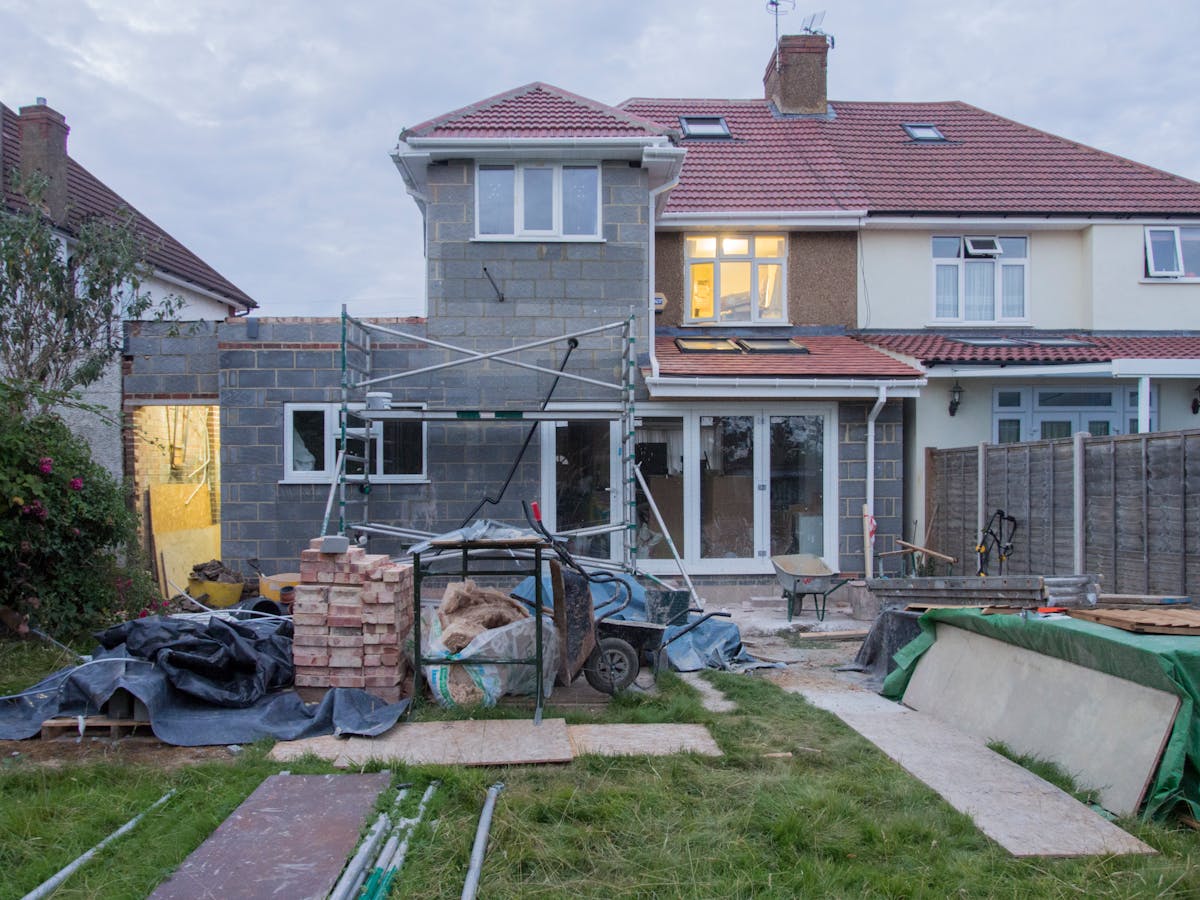
Why Property Surveys Are Essential for Home Extensions
Home extensions, loft conversions, and major renovations represent significant financial investments, typically costing £30,000-£150,000+ in London. Comprehensive surveys before commencing work are crucial for identifying structural constraints, ensuring regulatory compliance, accurate cost estimation, and avoiding catastrophic mid-construction discoveries that derail projects.
Many homeowners skip proper pre-extension surveys to save money, only to face expensive problems during construction including inadequate foundations requiring underpinning, structural walls that cannot support new loads, planning permission rejections, Building Control failures, and cost overruns of 30-50% due to unforeseen issues.
💰 Extension Survey ROI
Typical extension project: £80,000
Survey costs: £2,500-£5,000 (3-6% of budget)
Problems avoided by surveys: £15,000-£40,000+ average
Projects failing without surveys: 25-30%
Cost overruns without surveys: 35% average vs 12% with surveys
David and Emma planned a rear extension and loft conversion for their Victorian terrace in Hackney. They commissioned a comprehensive pre-extension survey costing £3,200. The survey revealed their existing foundations were only 450mm deep (modern extensions require 1000mm+), the rear wall had significant structural movement requiring remediation first, and the roof structure needed strengthening for loft conversion loads. Armed with this information, they adjusted their budget from £95,000 to £118,000, avoided mid-construction shocks, and completed successfully. Without the survey, they would have faced project suspension, emergency structural works, and costs exceeding £140,000.
Key Benefits of Extension Surveys
- Structural feasibility: Confirm existing structure can support extension loads or identify required strengthening
- Foundation assessment: Determine adequate foundation depths and ground conditions
- Planning compliance: Ensure designs meet planning requirements and identify potential objections
- Building Regulations: Identify compliance issues early in design phase
- Accurate costing: Realistic budgets based on actual site conditions, not assumptions
- Risk mitigation: Identify problems on paper, not during construction when costs multiply
- Party wall protection: Document existing conditions before works affecting neighbors
- Design optimization: Architects work with accurate data, not guesswork
Types of Surveys Required for Home Extensions
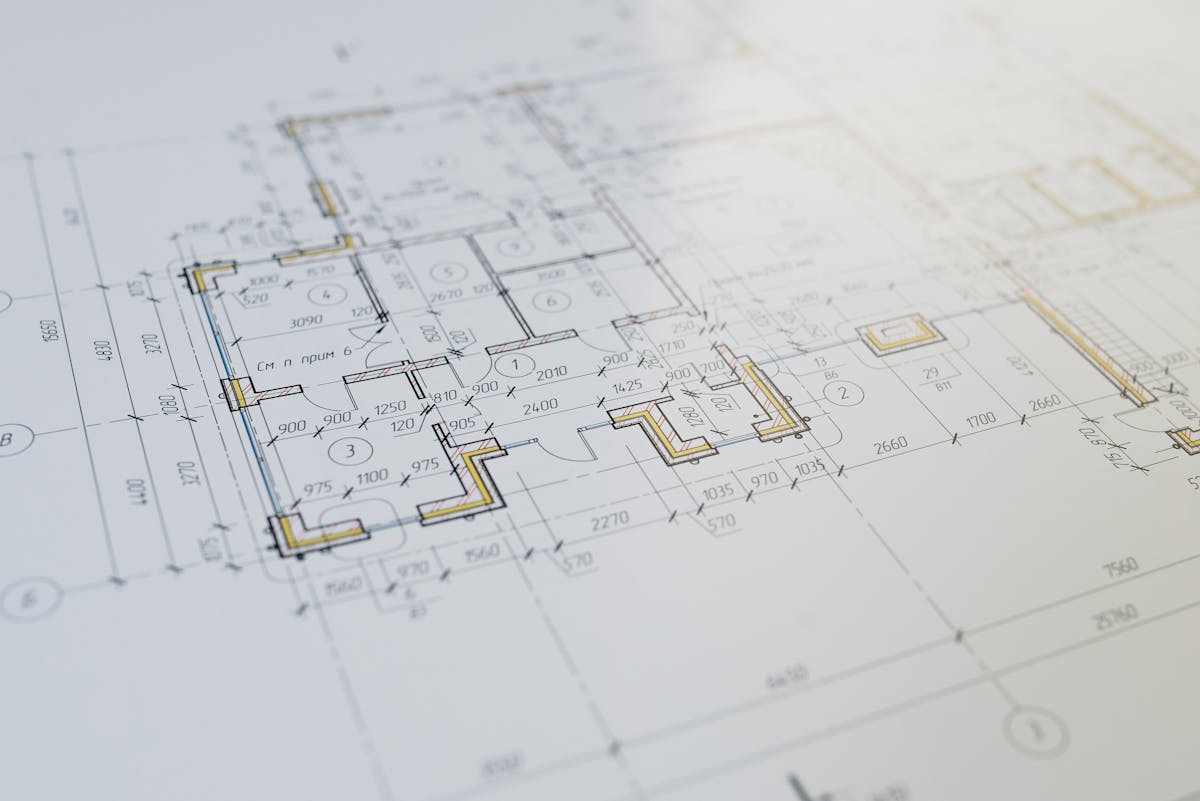
Professional architectural plans and measured building surveys - essential for successful extension projects
Different extension projects require different survey combinations. Here's what you need:
1. Measured Building Survey (Essential for All Extensions)
Accurate measurement of existing property creating detailed plans, elevations, and sections for architectural design.
What's included:
- Precise measurements of all rooms and external walls
- Floor levels and ceiling heights throughout
- Locations of windows, doors, stairs, and structural elements
- CAD drawings (floor plans, elevations, sections)
- Roof geometry and structure for loft conversions
Modern approach: 3D laser scanning (±2-5mm accuracy) replaces traditional tape measures (±20-50mm accuracy), providing complete digital property models in hours instead of days.
Cost: £1,800-£3,500 for residential properties (laser scanning); £2,500-£4,500 traditional measured survey
Timeline: 3-4 weeks from survey to CAD deliverables
2. Structural Survey / Condition Assessment
Assessment of existing building condition identifying defects, structural issues, and constraints affecting extension design.
What's included:
- Existing foundation type and depth (where accessible)
- Load-bearing wall identification
- Structural movement or defects assessment
- Roof structure condition (for loft conversions)
- Floor structure and load capacity
- Damp, timber decay, or deterioration
- Recommendations for remedial works before extension
Cost: £1,200-£2,800 depending on property size
Essential for: Victorian/Edwardian properties, properties with visible defects, loft conversions, major structural alterations
3. Structural Engineer's Survey and Calculations
Specialist engineering assessment by structural engineer providing design calculations and specifications for structural elements.
What's included:
- Foundation design for new extension
- Steel beam calculations for load-bearing wall removal
- Floor joist sizing and specifications
- Roof structure design for loft conversions
- Party wall structural impact assessment
- Building Control certification and liaison
- Construction drawings and specifications
Cost: £1,500-£4,500 for typical residential extensions
Required for: All extensions requiring Building Control approval (virtually all extensions)
4. Topographic / Site Survey (For Plot Extensions)
Survey of external site including levels, boundaries, drainage, services, and trees.
What's included:
- Accurate plot dimensions and boundaries
- Ground levels and contours
- Existing drainage runs and inspection chambers
- Underground services locations (where visible)
- Trees with root protection zones
- Neighboring properties and boundary relationships
Cost: £600-£1,500 for typical residential plots
Essential for: Ground floor extensions, significant external works, planning applications
5. Party Wall Survey / Schedule of Condition
Detailed documentation of existing property condition before works affecting neighboring properties.
What's included:
- Photographic record of all areas adjacent to works
- Detailed written descriptions of existing defects
- Crack measurements and documentation
- Floor level surveys
- Documentation of neighbor's property condition
Cost: £800-£2,000 per property (your property + neighbor's)
Required when: Building on or near party walls, excavating near neighbors' foundations, loft conversions affecting party walls
6. Drainage Survey (CCTV Survey)
Camera inspection of existing drainage systems to locate drains and identify defects before building over or near them.
What's included:
- CCTV inspection of accessible drainage runs
- Drain location mapping
- Condition assessment and defect identification
- Recommendations for repairs or diversions
Cost: £300-£800 for typical residential drainage survey
Essential when: Building over or within 3 meters of drains, rear extensions, basement excavations
📋 Survey Package Recommendations
Simple single-story rear extension: Measured survey + Structural engineer (£3,300-£7,000)
Two-story extension: Measured survey + Structural survey + Structural engineer + Topographic survey (£4,500-£10,000)
Loft conversion: Measured survey + Structural survey + Structural engineer + Party wall survey (£5,000-£11,000)
Major renovation (extension + loft): Full survey package including all above (£6,500-£15,000)
The Extension Planning Process with Surveys
Understanding the correct sequence ensures surveys inform design effectively:
Stage 1: Initial Feasibility (Weeks 1-2)
Actions: Determine extension objectives and budget. Research planning constraints (conservation areas, Article 4 directions, permitted development). Initial architect consultation to discuss feasibility.
Surveys needed: None yet (optional: preliminary structural survey if major concerns visible)
Stage 2: Detailed Survey Phase (Weeks 3-6)
Actions: Commission all required surveys. Measured building survey for accurate dimensions. Structural condition assessment. Topographic survey if required. Party wall surveys if applicable.
Timeline: 3-4 weeks for survey completion and report delivery
Stage 3: Design Development (Weeks 7-12)
Actions: Architect develops designs using survey data. Structural engineer produces calculations and specifications. Multiple design iterations optimizing cost, space, and compliance. Pre-application planning advice (if needed).
Surveys inform: Accurate existing drawings, structural constraints, foundation requirements, regulatory compliance issues
Stage 4: Planning Application (Weeks 13-21)
Actions: Submit planning application with survey-based drawings. Planning authority consultation (8 weeks typical). Address any planning concerns or objections. Obtain planning permission.
Timeline: 8-12 weeks for planning decision
Stage 5: Building Regulations (Weeks 22-26)
Actions: Submit Building Regulations application. Building Control review of structural calculations. Address any Building Control queries. Obtain Building Regulations approval.
Documents required: Structural calculations, specifications, detailed construction drawings (all based on survey data)
Stage 6: Party Wall Process (Concurrent with Stages 3-5)
Actions: Serve party wall notices on neighbors (if required). Appoint party wall surveyors. Conduct party wall surveys (schedules of condition). Agree party wall awards. Obtain neighbors' consent or awards before construction.
Timeline: 2-4 months from initial notice to agreed award
Stage 7: Tender and Construction (Weeks 27+)
Actions: Obtain builder quotes based on survey-informed designs. Appoint contractor. Commence construction with periodic Building Control inspections. Complete works and obtain completion certificate.
Construction timeline: 3-6 months typical for residential extensions
Rachel's loft conversion project in Dulwich demonstrates proper sequencing. She commissioned surveys (measured survey + structural survey) in Week 1. Her architect used the accurate data to design within the roof's structural constraints, avoiding expensive strengthening works. Planning permission was obtained first time (Week 14). Building Regulations approval followed smoothly as structural calculations matched site conditions (Week 18). Party wall agreements were secured concurrently (Week 16). Construction commenced Week 20 with zero surprises – the accurate surveys ensured the design matched reality. Total project timeline: 32 weeks from survey to completion certificate.
Structural Survey Requirements for Extensions
Understanding what structural engineers assess helps property owners appreciate survey importance:
Foundation Assessment
Existing foundations: Victorian/Edwardian properties often have shallow foundations (400-600mm) inadequate for modern extension loads. Engineers assess existing foundation type, depth, and condition through trial pits or inspection where accessible.
New foundations: Extensions require foundations to current Building Regulations (typically 1000mm+ depth in London clay). Engineers design foundations based on ground conditions, loads, and proximity to trees.
Foundation failure consequences: Inadequate foundations cause settlement, cracking, and structural movement costing £30,000-£80,000+ to remedy through underpinning.
Load-Bearing Wall Removal
Many extensions involve removing existing walls to create open-plan spaces. Structural engineers determine if walls are load-bearing, calculate loads being supported (roof, upper floors, walls above), and design adequate structural support (steel beams, columns, lintels).
Common mistake: Assuming walls are non-load-bearing without professional assessment. Removing load-bearing walls without support causes catastrophic structural failure, ceiling collapse, and endangers occupants.
Steel beam costs: £2,000-£5,000 per beam installed (typical RSJ 203x133 or 254x146 for residential)
Loft Conversion Structural Requirements
Loft conversions impose significant new loads on existing roof structures designed only for roof weight, not habitable space. Structural surveys assess existing roof structure (rafters, purlins, trusses), floor joist adequacy, whether strengthening is required, staircase location and structural support, and party wall implications.
Common requirement: Upgrading existing roof timbers, installing steel beams to support new loads, and strengthening ceilings/floors to handle foot traffic and furniture loads.
Structural strengthening costs: £8,000-£18,000 typical for loft conversion structural works
Ground Conditions and Subsidence Risk
London clay shrinks in drought and swells when wet, causing ground movement. Engineers assess soil type and behavior, proximity to mature trees (root water extraction), existing structural movement evidence, and subsidence risk factors.
High-risk scenarios: Extensions near large trees (oak, willow, poplar within 10-15m), properties on slopes or made-up ground, areas with history of subsidence, and clay soils with high plasticity.
Party Wall Structural Implications
Works affecting shared walls require careful structural assessment including load transfer onto party walls, excavations near neighbors' foundations, impact on neighbor's structure, and temporary support requirements during construction.
Party wall failures: Inadequate structural assessment causes neighbor property damage, legal disputes, construction停工, and costly remediation (£15,000-£50,000+).
Building Control and Survey Compliance
Building Control approval is mandatory for virtually all extensions. Surveys play critical roles in obtaining approval:
Building Regulations Requirements
Extensions must comply with Building Regulations covering:
- Part A - Structure: Adequate foundations, structural stability, load calculations (requires structural engineer's survey and calculations)
- Part B - Fire Safety: Fire separation, escape routes, fire-resistant construction
- Part C - Site Preparation: Damp-proof courses, ground resistance, radon protection
- Part E - Sound Insulation: Party wall sound resistance (often requires testing)
- Part F - Ventilation: Adequate ventilation in habitable rooms
- Part L - Energy Efficiency: Insulation, glazing, heating efficiency
- Part M - Access: Accessibility requirements for ground floor extensions
Survey Data for Building Control
Building Control requires comprehensive documentation based on surveys:
- Accurate existing building drawings (from measured survey)
- Proposed extension drawings showing all details
- Structural calculations (from structural engineer survey)
- Foundation design and specifications
- Thermal performance calculations
- Drainage plans (from drainage survey)
Building Control Inspection Process
Building Control inspects at key stages during construction:
- Foundation inspection: Before concrete poured (confirms depth and design match approved plans)
- DPC inspection: Damp-proof course installation
- Drainage inspection: Before backfilling drainage runs
- Structural frame: Steel beams, floor joists before covering
- Final inspection: Completion certificate issued when all compliant
Failed inspections: Work must be rectified to comply. Surveys prevent failures by ensuring designs are compliant before construction commences.
⚠️ Building Without Approval
Proceeding without Building Control approval is illegal and causes serious problems including inability to sell property (solicitors require certificates), insurance invalidation, enforcement action requiring remedial works, and potentially demolishing non-compliant extensions. Always obtain Building Control approval – surveys ensure designs comply first time.
Extension Survey Costs London 2026
Comprehensive survey costs as percentage of typical extension budgets:
Survey Costs by Extension Type
Single-Story Rear Extension (£40,000-£70,000 typical)
- Measured building survey: £1,800-£2,800
- Structural engineer assessment: £1,500-£3,000
- Topographic site survey: £600-£1,200
- Drainage survey: £300-£600
- Total surveys: £4,200-£7,600 (6-11% of extension cost)
Two-Story Extension (£80,000-£120,000 typical)
- Measured building survey: £2,200-£3,500
- Structural condition survey: £1,500-£2,500
- Structural engineer design: £2,500-£4,500
- Topographic survey: £800-£1,500
- Party wall surveys: £1,600-£3,000
- Drainage survey: £400-£800
- Total surveys: £9,000-£15,800 (8-13% of extension cost)
Loft Conversion (£45,000-£75,000 typical)
- Measured building survey (with roof): £2,000-£3,200
- Structural condition survey: £1,200-£2,200
- Structural engineer design: £2,000-£4,000
- Party wall surveys: £1,600-£3,200
- Total surveys: £6,800-£12,600 (10-17% of conversion cost)
Major Renovation (Extension + Loft, £150,000-£250,000 typical)
- Comprehensive measured survey: £3,500-£5,500
- Full structural condition survey: £2,500-£4,000
- Structural engineer (full design): £4,500-£8,000
- Topographic survey: £1,000-£1,800
- Party wall surveys (both neighbors): £2,500-£5,000
- Drainage survey: £500-£1,000
- Total surveys: £14,500-£25,300 (6-10% of project cost)
Survey Cost Variables
Factors affecting survey pricing include property size and complexity, access difficulties, level of detail required, urgency (expedited surveys cost 20-30% more), and location within London (Zone 1 typically 15-20% higher).
💡 Survey Investment Perspective
Surveys represent 6-17% of extension costs but prevent problems costing 30-50% more than budgeted. Projects WITHOUT comprehensive surveys have 25-30% failure/suspension rate. Projects WITH surveys have 95%+ successful completion rate within 15% of budget. Survey costs are recovered through avoided problems, accurate budgeting, and smooth Building Control approval.
Common Extension Problems Prevented by Surveys
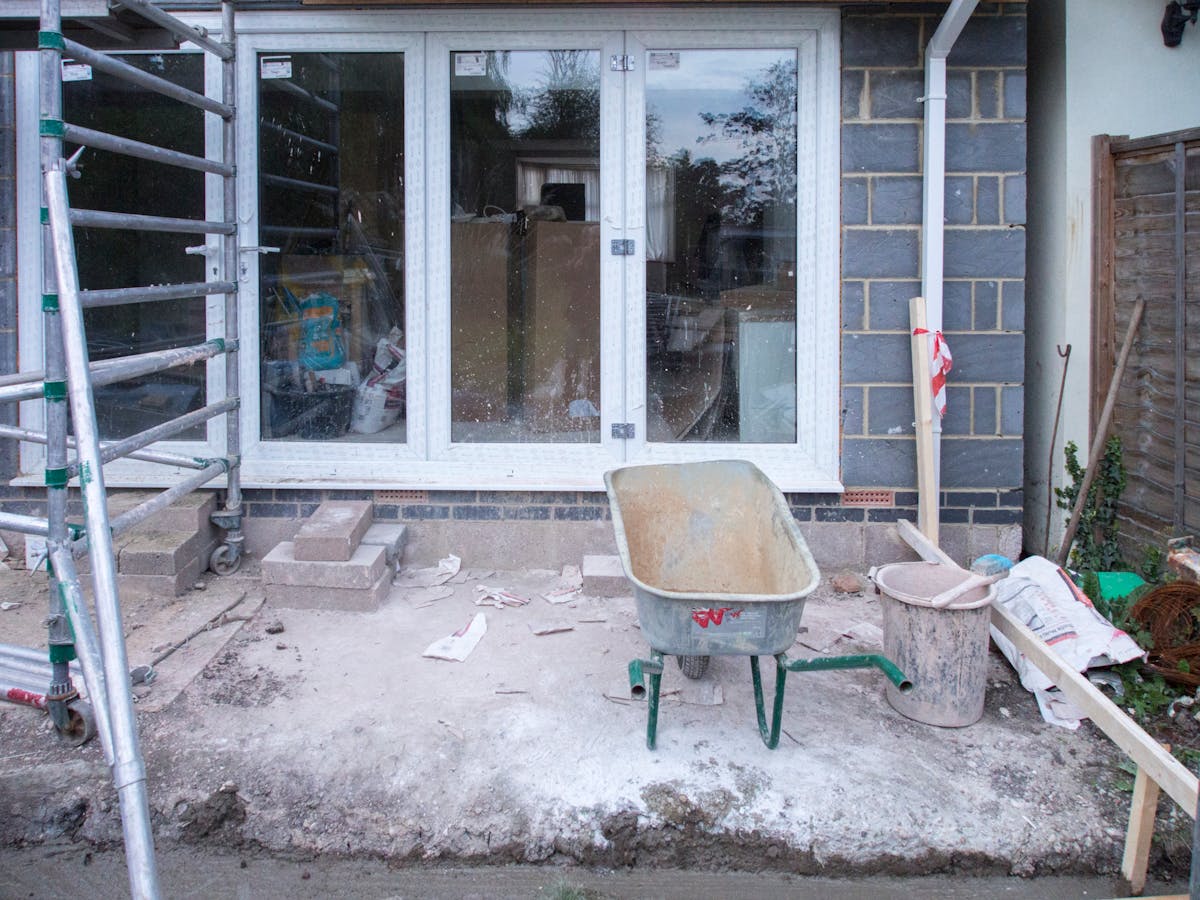
Active renovation and extension project - comprehensive surveys prevent costly mid-construction problems
Real issues discovered through pre-extension surveys that would have caused catastrophic mid-construction problems:
1. Inadequate Foundations
Problem: Victorian property with 450mm shallow brick foundations. New two-story extension requires 1200mm foundations to Building Regulations.
Discovery: Pre-extension structural survey with trial pit investigation
Solution: Underpinning existing foundations adjacent to extension (£18,000). Budget adjusted before starting.
If discovered mid-construction: Emergency underpinning, project suspension, costs escalate to £35,000+, delays of 8-12 weeks
2. Hidden Structural Movement
Problem: Rear wall has significant diagonal cracking hidden behind kitchen units, indicating ongoing structural movement.
Discovery: Structural condition survey identified through detailed inspection
Solution: Stabilization works and monitoring before extension (£12,000). Extension redesigned to accommodate movement.
If discovered mid-construction: Cannot proceed with extension until stabilized. Potential Building Control refusal, £25,000+ remediation
3. Inadequate Roof Structure for Loft Conversion
Problem: Existing roof has lightweight trusses designed for roof loads only, cannot support habitable space without complete restructure.
Discovery: Structural engineer's survey and calculations
Solution: Major roof strengthening designed into project (£14,000). Client aware before committing.
If discovered mid-construction: Loft conversion abandoned or requires emergency redesign. Wasted costs £20,000+, project cancelled
4. Drainage Over-Building
Problem: Main sewer run crosses proposed extension footprint. Cannot build over without Thames Water approval and protective measures.
Discovery: CCTV drainage survey located drain precisely
Solution: Extension footprint adjusted 800mm to avoid drain. Alternative design maintains desired space.
If discovered mid-construction: Construction halt, Thames Water application (3-6 months), potential drain diversion (£8,000-£15,000)
5. Party Wall Load Transfer
Problem: Proposed two-story extension would impose significant new loads onto shared party wall with structural concerns.
Discovery: Structural engineer's party wall assessment
Solution: Steel frame designed to transfer loads independently, not via party wall (£6,500 extra). Neighbor concerns addressed.
If discovered mid-construction: Neighbor objects, legal dispute, construction停工, forced redesign or potential court action (£15,000-£40,000)
6. Tree Root Impact on Foundations
Problem: Large oak tree 12m from proposed extension. Roots could affect new foundations and cause heave/subsidence.
Discovery: Topographic survey identified tree, structural engineer assessed risk
Solution: Deeper foundations with root barriers designed (£4,500 extra). Insurance notified, premiums unaffected due to proper mitigation.
If discovered mid-construction: Building Control concerns, potential insurance refusal, redesign foundations (£12,000+), project delays
7. Conflicting Building Regulations
Problem: Proposed design didn't meet fire escape requirements for loft conversion or thermal performance standards for new extension.
Discovery: Architect identified during design based on Building Regulations review (informed by surveys)
Solution: Design adjusted before planning submission. Fire escape route optimized, insulation specifications improved.
If discovered during Building Control: Planning permission wasted, complete redesign, new planning application, 6-month delay, £5,000+ additional fees
James and Sarah's case study: Their £95,000 rear extension project included comprehensive surveys (£6,200 total). Surveys identified ALL seven problems above in their specific property. Total additional costs identified: £42,800. They adjusted their budget to £138,000 and proceeded with full knowledge. Project completed successfully in 28 weeks with zero mid-construction surprises. Without surveys, they estimated discovering these problems during construction would have cost £85,000+ extra (mid-construction rates are 2-3x pre-construction costs) plus 6+ month delays.
Choosing the Right Survey Professionals
Extension projects require coordinated professional team. Here's who you need and how to choose them:
Architect
Role: Overall design, planning applications, Building Regulations coordination, contractor liaison
Qualifications: ARB registered architect or architectural technician
Fees: 8-15% of construction costs (£6,000-£18,000 for typical extensions)
Choose based on: Experience with similar projects, local planning knowledge, portfolio quality, communication style
Structural Engineer
Role: Structural calculations, foundation design, beam specifications, Building Control certification
Qualifications: IStructE structural engineer
Fees: £1,500-£5,000 for residential extensions
Choose based on: Residential extension experience, Building Control relationships, responsiveness, clear communication
Building Surveyor (for measured surveys)
Role: Accurate measured surveys, condition assessments, party wall surveys
Qualifications: RICS qualified building surveyor
Fees: £1,500-£4,000 for comprehensive surveys
Choose based on: Survey accuracy reputation, technology used (laser scanning preferred), turnaround time, report quality
Party Wall Surveyor
Role: Party wall notices, schedules of condition, party wall awards, dispute resolution
Qualifications: RICS qualified with party wall specialism
Fees: £800-£2,000 per property (your property + neighbors)
Choose based on: Party wall expertise, dispute resolution experience, neighbor relationship management
Coordination is Critical
All professionals must work together sharing survey data. Architects use measured surveys for design, structural engineers use condition surveys and measured data for calculations, party wall surveyors reference structural engineer's designs, and Building Control receives coordinated documentation from all professionals.
Best practice: Engage all professionals early. Share survey data comprehensively. Regular coordination meetings ensure everyone works from same information.
✅ Angel Surveyors Extension Services
We provide comprehensive extension survey services including 3D laser scanning measured surveys (±2-5mm accuracy), structural condition assessments, party wall surveys and schedules of condition, coordination with architects and engineers, and Building Control liaison. Our surveys provide architects and engineers with accurate data ensuring smooth extension projects from design to completion.
Key Home Extension Survey Takeaways
- ✓ Comprehensive surveys cost 6-17% of extension budgets but prevent 30-50% cost overruns from unforeseen problems
- ✓ Essential surveys: Measured building survey, structural condition assessment, structural engineer calculations, topographic survey
- ✓ Projects WITHOUT surveys have 25-30% failure/suspension rate; projects WITH surveys have 95%+ success rate
- ✓ 3D laser scanning provides ±2-5mm accuracy vs ±20-50mm traditional measurements – critical for extension design
- ✓ Common problems prevented: inadequate foundations, hidden structural movement, roof structure inadequacy, drainage conflicts
- ✓ Building Control requires structural calculations based on survey data – surveys essential for approval
- ✓ Party wall surveys protect against neighbor disputes and document pre-works condition (required for shared walls)
- ✓ Survey costs £4,000-£25,000 depending on project scale but typically recovered through avoided mid-construction problems
- ✓ Proper sequencing: Surveys → Design → Planning → Building Control → Construction (surveys inform all subsequent stages)
- ✓ Engage RICS surveyors, IStructE engineers, and ARB architects for coordinated professional team
Frequently Asked Questions
Can I skip surveys to save money on my extension project?
Absolutely not recommended. Surveys represent 6-17% of project costs but prevent 30-50% cost overruns from unforeseen problems. Industry data shows 25-30% of projects without surveys face failure, suspension, or major redesign mid-construction. The £4,000-£15,000 survey investment typically saves £20,000-£60,000 in avoided problems. Surveys are the best-value investment in any extension project.
What's the difference between a building survey and surveys for extensions?
Building surveys assess existing property condition for purchase decisions. Extension surveys are specialist assessments providing data for design, structural calculations, and Building Control approval. They include measured building surveys (accurate dimensions for design), structural engineer assessments (calculations for foundations and structural elements), and topographic surveys (external site conditions). Both are important but serve different purposes.
Do I need surveys if I'm using an architect?
Yes – architects NEED survey data to design accurately. They cannot guess dimensions, structural constraints, or ground conditions. Professional architects always require measured building surveys as baseline for design work. Architects typically coordinate structural engineer and topographic surveys but you (the client) commission and pay for these separately. Good architects refuse to work without proper survey data.
How long do extension surveys take?
Measured building surveys take 3-6 hours on-site; reports delivered in 3-4 weeks. Structural condition surveys take 2-4 hours; reports in 2-3 weeks. Structural engineer calculations take 2-4 weeks after receiving measured survey. Topographic surveys take 2-4 hours; reports in 1-2 weeks. Total survey phase typically 4-6 weeks before design can commence properly.
Can surveys identify if my loft conversion is feasible?
Yes, absolutely. Structural surveys assess existing roof structure, headroom, floor joist capacity, and structural constraints. Structural engineers determine required strengthening works and costs. Many properties require significant roof restructuring (£12,000-£25,000) to support loft conversions. Surveys identify feasibility and costs BEFORE committing to design fees and planning applications. This prevents wasting £8,000-£15,000 on design/planning for unfeasible projects.
What if surveys reveal my extension isn't feasible?
Surveys sometimes reveal projects are unfeasible or prohibitively expensive (e.g., inadequate foundations requiring £60,000 underpinning, making £80,000 extension economically unviable). While disappointing, discovering this during surveys (£5,000 investment) is FAR better than discovering mid-construction after spending £40,000+ on design, planning, and partial construction. Surveys protect you from catastrophic financial losses.
Do I need party wall surveys even if my neighbor is friendly?
Yes, always. Party wall surveys protect BOTH parties by documenting existing condition before works. Even friendly neighbors can disagree when cracks appear or problems arise. Party wall surveys provide objective evidence of pre-existing conditions vs construction-caused damage. The £1,600-£3,000 cost avoids £15,000-£50,000 disputes if problems occur. It's insurance for maintaining good neighbor relationships.
Plan Your Extension with Expert Surveys
Get comprehensive extension surveys from our RICS surveyors ensuring successful project delivery.
Request Extension Survey Quote