What Is a Structural Survey?
A structural survey is a specialist assessment conducted by a qualified structural engineer (not a general building surveyor) focusing exclusively on the structural integrity and stability of a building. While general building surveys assess overall property condition including aesthetics, services, and minor defects, structural surveys concentrate on the critical load-bearing elements that keep buildings standing safely.
Structural engineers analyze foundations, walls, beams, columns, floors, and roofs to identify defects that could compromise building safety or lead to catastrophic failure. They investigate serious concerns like subsidence, structural movement, cracking, defective construction, and deterioration of structural elements.
🏗️ Key Difference
Building Survey (RICS surveyor): Comprehensive property condition assessment covering all elements – structure, condition, services, maintenance
Structural Survey (Structural engineer): Specialist investigation of structural integrity only – typically commissioned when building surveys identify serious concerns requiring expert engineering assessment
Mark and Lisa's building survey on a Victorian terraced house in Hackney identified significant diagonal cracking from ground to first floor level. Their RICS surveyor recommended a structural engineer investigation before proceeding. The structural survey revealed foundation movement due to tree roots causing £45,000 of underpinning works. Without this specialist assessment, they would have purchased a property with progressive structural failure requiring six-figure repairs.
Who Conducts Structural Surveys?
Structural surveys must be conducted by qualified structural engineers – typically members of the Institution of Structural Engineers (IStructE) with extensive training in structural mechanics, materials science, and building pathology. These are NOT general building surveyors, and the expertise is fundamentally different.
When You Need a Structural Survey
Structural surveys are commissioned in specific circumstances where structural integrity concerns arise:
1. Building Survey Recommendations
The most common trigger. Your RICS building survey identifies concerning structural defects requiring specialist engineering investigation. Examples include significant cracking patterns suggesting movement, evidence of subsidence or settlement, structural alterations without apparent support, or deflection in floors, beams, or walls.
2. Obvious Structural Defects
Visible problems apparent during property viewings including major cracks wider than 5mm, stepped cracking in brickwork, doors and windows that don't close properly (frame distortion), sloping or uneven floors, bulging walls, or visible sagging in roofs or ceilings.
3. Planning Extensions or Alterations
Structural engineer assessment required when removing load-bearing walls, creating large openings in structural walls, adding additional floors (loft conversions), significantly increasing loads on existing structures, or renovating buildings with unknown structural configuration.
4. Purchase of Problem Properties
Properties with known structural history including previous subsidence or structural movement, buildings on slopes or unstable ground, properties near trees with high water demand (oak, willow, poplar), buildings on made-up ground or former industrial sites, or properties with visible structural repairs (underpinning evidence).
5. London-Specific Concerns
London's geology and building stock create particular structural risks:
- London Clay: Highly reactive clay that shrinks in drought and swells when wet, causing seasonal ground movement
- Mature trees: Victorian streets lined with large trees extracting moisture from clay soils
- Historic building stock: 38% of London properties built before 1919 with aging foundations
- Nearby construction: Basement excavations, tunneling, and deep foundations affecting neighboring properties
- Wartime damage: Properties damaged in WWII with potential undocumented structural repairs
⚠️ Don't Skip Structural Surveys
Structural defects are the most expensive property problems to fix – typically £30,000-£150,000+ for underpinning and major structural repairs. A £1,500-£3,000 structural survey is minimal cost for protection against six-figure repair bills and potential building safety risks.
What Structural Engineers Inspect

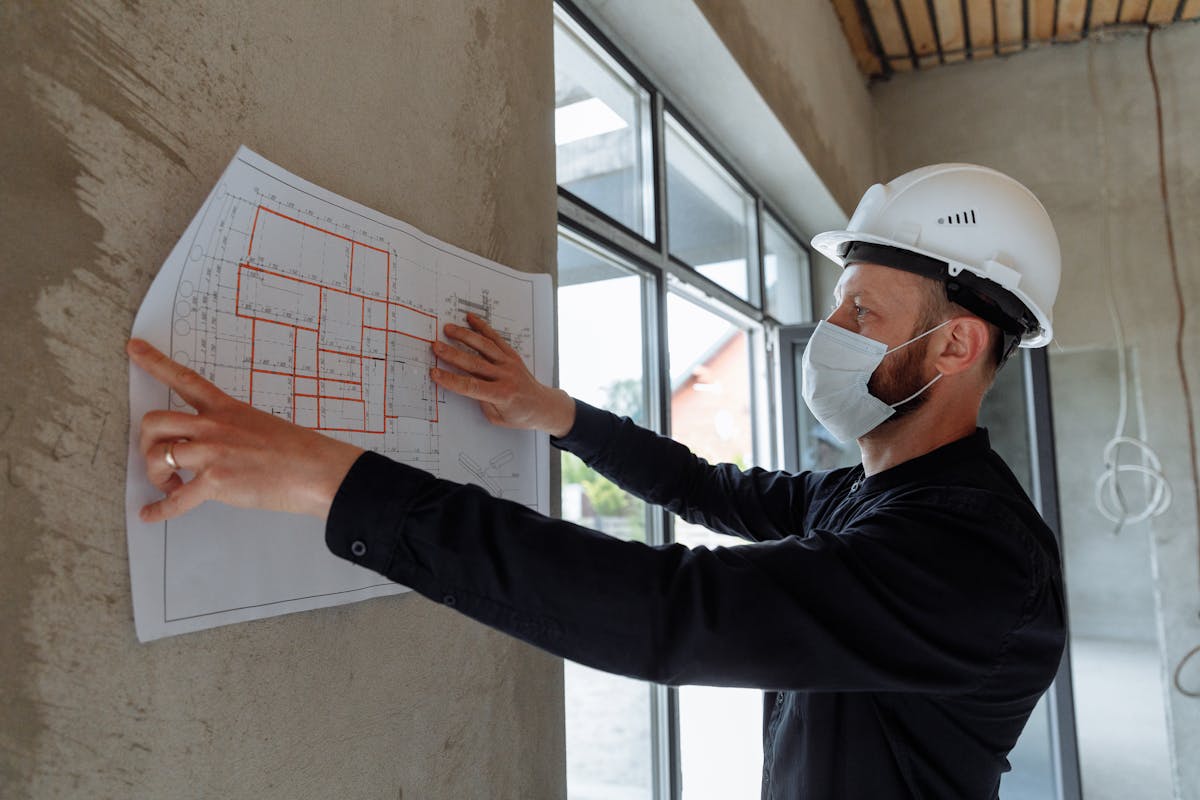
Structural engineers using precision tools to assess building stability and structural integrity
Structural surveys focus on load-bearing elements and structural integrity rather than superficial condition:
Foundations and Substructure
- Foundation type and adequacy: Strip footings, pad foundations, piles – appropriate for building and ground conditions?
- Settlement and movement: Evidence of foundation failure, subsidence, or heave
- Ground conditions: Assessment of soil type, drainage, vegetation effects
- Previous underpinning: Investigation of past structural repairs and their effectiveness
Structural Walls
- Load-bearing capacity: Are walls adequate to carry imposed loads?
- Cracking patterns: Analysis of crack locations, widths, orientation to diagnose causes
- Wall ties and cavity walls: Condition of wall ties, cavity wall stability
- Structural alterations: Assessment of removed walls, enlarged openings, lintels
- Bulging and bowing: Measurement and analysis of wall deformation
Floors and Floor Structures
- Floor construction: Timber joists, concrete slabs, steel beams – condition and adequacy
- Deflection and sagging: Measurement of floor levels and deviation from plane
- Load capacity: Assessment if floors can support intended uses
- Timber decay: Investigation of rot, woodworm, structural timber deterioration
Roof Structures
- Roof framing: Trusses, rafters, purlins – structural adequacy and condition
- Spreading and thrust: Assessment of roof spread pushing walls outward
- Sagging ridge lines: Measurement and cause investigation
- Load capacity for alterations: Can roof support loft conversion loads?
Beams, Columns, and Lintels
- Structural support elements: Steel beams (RSJs), timber beams, concrete lintels
- Deflection and adequacy: Are supports appropriate for spans and loads?
- Corrosion and deterioration: Steel corrosion, timber decay, concrete spalling
Structural Movement Monitoring
For active movement concerns, engineers may recommend monitoring over 6-12 months using crack monitoring devices, precise level surveys, or repeat measurements to determine if movement is ongoing or historic and stabilized.
Common Structural Problems Found in London Properties
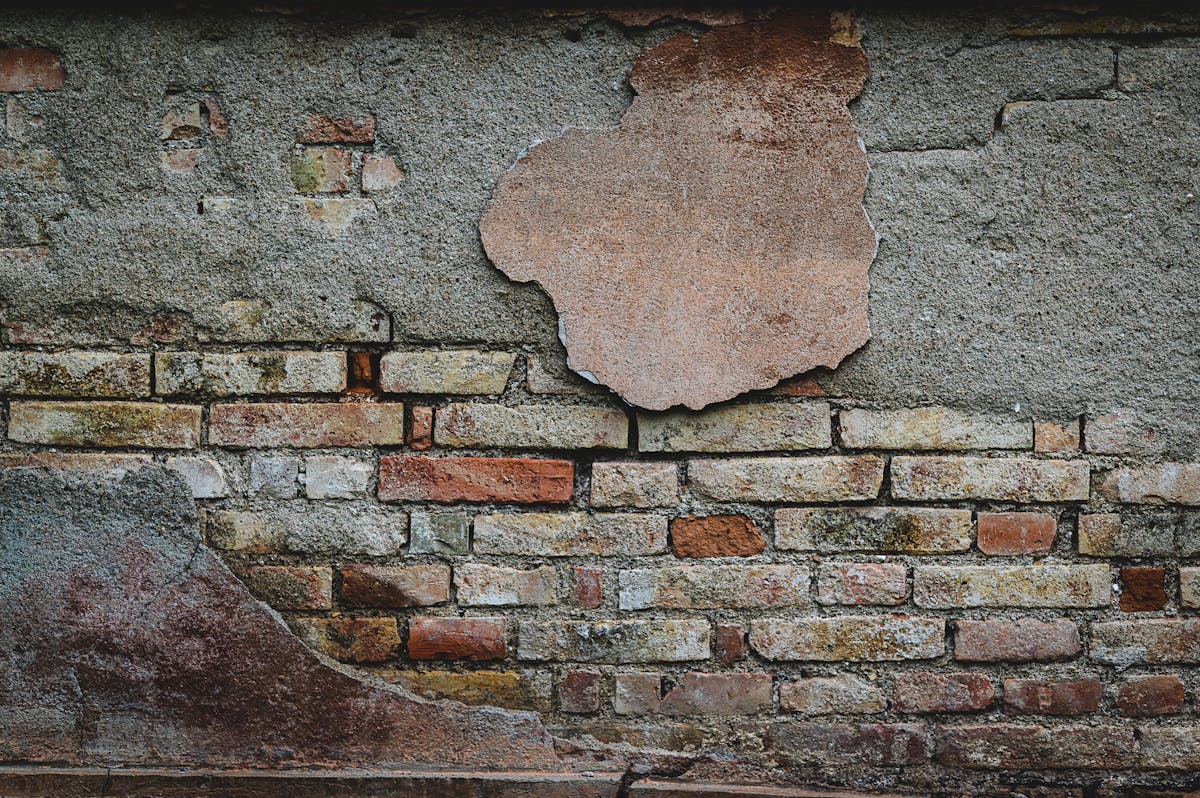
Structural wall cracks indicating serious building defects requiring professional structural engineer assessment
Based on thousands of structural surveys, these are the most frequent serious defects:
1. Subsidence (Most Serious)
Cause: Foundations sinking due to soil shrinkage (clay shrinking in drought), tree root extraction (mature trees removing soil moisture), leaking drains (washing away supporting soils), or ground instability (made-up ground, mining, tunneling).
Signs: Diagonal cracks wider than 5mm, cracks wider at top or bottom (tapered), doors and windows sticking, cracking following seasonal patterns.
Repair costs: £25,000-£150,000+ for underpinning (supporting foundations on deeper stable ground)
2. Structural Movement from Alterations
Cause: Load-bearing walls removed without adequate support, inadequate lintels over openings, poor quality structural alterations.
Signs: Cracking above door/window openings, sagging floors above removed walls, distortion in adjacent rooms.
Repair costs: £8,000-£35,000 for installing adequate structural support
3. Wall Tie Failure (Cavity Walls)
Cause: Corrosion of metal wall ties connecting inner and outer walls (common in properties built 1920-1980).
Signs: Horizontal cracking along mortar joints, bulging of outer wall leaf, cracking in regular patterns.
Repair costs: £3,000-£12,000 for wall tie replacement
4. Roof Spread
Cause: Roof structure pushing walls outward due to inadequate ties or thrust from roof loads.
Signs: Bulging of external walls at ceiling level, cracks between walls and ceiling, leaning walls.
Repair costs: £5,000-£18,000 for structural restraint and repairs
5. Timber Decay in Structural Elements
Cause: Wet rot or dry rot affecting timber floor joists, beams, or roof structures.
Signs: Sagging floors, soft or spongy floor areas, cracked plaster in systematic patterns, musty smells.
Repair costs: £8,000-£40,000 depending on extent of timber replacement required
Emma, purchasing a 1930s semi-detached house in Ealing, noticed fine cracks around doorframes. Her building surveyor recommended a structural engineer assessment. The structural survey revealed wall tie corrosion throughout the property requiring £9,500 of remedial works. Emma negotiated a £12,000 price reduction and had the work completed before moving in, turning a potential disaster into a successful purchase.
The Structural Survey Process
Structural surveys follow a methodical investigation process:
Step 1: Initial Briefing (Day 1-2)
Provide the structural engineer with the building survey report highlighting concerns, any history of structural issues you're aware of, your plans for the property (extensions, alterations), and specific questions or concerns.
The engineer provides a proposal outlining investigation scope, site visit requirements, likely testing needed, timeline, and fees.
Step 2: Site Investigation (Day 3-7)
The engineer conducts a detailed site inspection typically lasting 2-4 hours including visual structural assessment, precise crack measurement and mapping, level surveys to detect floor and wall movement, invasive investigation if required (lifting floorboards, exposing foundations), and photographic documentation.
They may recommend additional specialist investigations including trial pit excavations to expose foundations, bore holes to assess ground conditions, crack monitoring over 6-12 months for active movement, or specialist testing (concrete testing, timber moisture content).
Step 3: Analysis and Calculations (Day 8-14)
The engineer analyzes findings, conducts structural calculations to assess load capacity and safety factors, reviews building history and any available original plans, and researches ground conditions and local area characteristics.
Step 4: Report and Recommendations (Day 15-21)
You receive a comprehensive structural engineering report including detailed findings and observations, structural analysis and calculations, diagnosis of defects and their causes, risk assessment (immediate safety concerns vs long-term issues), and detailed repair recommendations with outline specifications and cost estimates.
⏱️ Timeline
Standard structural survey: 2-3 weeks from instruction to final report
With monitoring required: 6-12 months (movement monitoring before conclusions)
Expedited service: 1 week available for urgent cases (premium fee)
Structural Survey Costs London 2026
Structural engineer fees vary based on property size, complexity of investigation, and testing required:
Standard Structural Surveys
- Small property (flat, small terrace): £800-£1,500
- Medium property (standard house): £1,200-£2,200
- Large property (large house, complex structure): £1,800-£3,500
- Commercial buildings: £2,500-£8,000+ depending on size
Specific Investigations
- Subsidence investigation: £1,500-£3,000
- Structural alteration assessment: £800-£2,000
- Crack investigation and analysis: £1,000-£2,500
- Load-bearing wall removal feasibility: £600-£1,500
Additional Services
- Trial pit excavations: £600-£1,500 per pit
- Crack monitoring installation and analysis: £400-£900 setup + £300-£600 per monitoring visit
- Structural calculations only (for extensions): £500-£1,800
- Building Control liaison and certification: £300-£800
Typical Repair Costs (For Context)
- Underpinning (per meter run): £1,000-£2,000/m (typical house £30,000-£80,000)
- Steel beam (RSJ) installation: £2,000-£5,000 per beam
- Wall tie replacement: £3,000-£12,000 full property
- Structural floor repairs: £8,000-£25,000 depending on extent
The £1,200-£3,000 structural survey cost is minimal compared to typical £30,000-£150,000 structural repair costs. Surveys protect buyers from purchasing properties with hidden catastrophic defects.
Understanding Your Structural Engineering Report
Structural reports contain technical engineering content. Here's how to interpret key sections:
Executive Summary
Start here – concise overview of key findings, risk level assessment (immediate safety concerns vs long-term issues), and headline recommendations. This section tells you whether problems are catastrophic, serious but manageable, or minor.
Structural Analysis
Technical section with calculations and engineering assessment. Don't worry if you don't understand the mathematics – focus on the conclusions. Engineers assess whether structures are adequate for loads, identify deficiencies, and calculate required strengthening.
Defects and Diagnosis
Detailed description of structural problems found, crack widths and patterns documented (with photos), analysis of probable causes, and assessment whether movement is ongoing or historic/stabilized.
Risk Assessment
Engineers categorize risks including immediate safety concerns requiring urgent action, progressive defects likely to worsen without intervention, stable historic issues requiring monitoring only, or minor defects with no structural significance.
Recommendations
The most important section for decision-making:
- Essential repairs: Work required for structural safety and stability
- Monitoring requirements: If movement tracking needed before final diagnosis
- Further investigations: Additional specialist work needed for complete assessment
- Cost estimates: Outline repair costs (typically ranges rather than fixed quotes)
Conclusions
Final professional opinion on property suitability for purchase, overall structural condition assessment, and recommendations for proceeding, negotiating, or withdrawing.
Next Steps After Your Structural Survey
Based on structural survey findings, you have several options:
If Defects Are Minor or Historic/Stable
- Proceed with purchase with confidence
- Budget for recommended monitoring if specified
- Obtain insurance quotes (some structural issues affect premiums)
If Significant Repairs Required
- Get detailed repair quotes: Instruct specialist contractors to price recommended works
- Renegotiate purchase price: Request price reduction covering repair costs (often successfully negotiate 80-100% of repair costs)
- Request seller completes repairs: Ask seller to conduct works before completion (ensure reputable contractors with guarantees)
- Adjust your offer: Reduce offer by repair costs plus contingency (typically 10-20% extra for unknowns)
If Defects Are Catastrophic
- Consider walking away from the purchase
- Repair costs over £100,000 may render properties uneconomic
- Structural defects can affect resale value and insurance availability
- Some lenders refuse mortgages on properties with serious structural issues
Insurance Considerations
Properties with structural history or ongoing issues may face higher insurance premiums, excess clauses for subsidence claims (£1,000-£2,500 typical), or complete exclusion of subsidence cover. Obtain insurance quotes before completing purchase.
David and Rachel's structural survey revealed subsidence repairs completed 8 years ago with insurance-backed guarantees. The engineer confirmed repairs were properly executed and movement had ceased. They proceeded with purchase after their insurer confirmed subsidence cover available with £1,000 excess. The survey gave them confidence in a property others had avoided, allowing them to negotiate a £25,000 discount on a structurally sound home.
Key Structural Survey Takeaways
- ✓ Structural surveys by engineers assess building integrity – commissioned when serious concerns arise
- ✓ Essential when building surveys identify significant cracking, movement, or structural defects
- ✓ London-specific risks: London Clay movement, mature trees, historic building stock
- ✓ Common serious issues: subsidence (£30,000-£150,000 repairs), structural alterations, wall tie failure
- ✓ Costs: £1,200-£3,500 for residential structural surveys – minimal vs repair costs
- ✓ Timeline: 2-3 weeks for standard surveys; 6-12 months if monitoring required
- ✓ Use qualified structural engineers (IStructE members) not general surveyors
- ✓ Reports include technical analysis, defect diagnosis, risk assessment, and repair recommendations with costs
- ✓ Options after survey: proceed, renegotiate price, request repairs, or walk away if catastrophic
- ✓ Structural issues affect insurance availability and premiums – check before completing purchase
Frequently Asked Questions
What's the difference between a building survey and a structural survey?
A building survey (Level 3 Building Survey) is a comprehensive property condition assessment by a RICS surveyor covering all elements – structure, condition, services, maintenance. A structural survey is a specialist investigation by a structural engineer focusing exclusively on structural integrity, typically commissioned when building surveys identify serious structural concerns requiring expert engineering analysis.
Will a structural survey tell me if I can remove a wall?
Yes, structural engineers assess whether walls are load-bearing and design appropriate structural support (steel beams, columns) if removal is feasible. This typically costs £600-£1,500 for assessment plus £2,000-£5,000 per beam if removal proceeds. Always consult a structural engineer before removing any wall – DIY removal of load-bearing walls can cause catastrophic building collapse.
How serious is subsidence and can it be fixed?
Subsidence is serious but usually fixable through underpinning (supporting foundations on deeper stable ground). Costs range from £30,000-£150,000+ depending on extent. The key question is whether movement is ongoing (requiring intervention) or historic and stabilized (may need monitoring only). Structural surveys determine this through detailed investigation and potentially monitoring over 6-12 months.
Can I get a mortgage on a property with structural issues?
It depends on severity. Minor historic issues with engineer confirmation of stability usually don't affect mortgages. Ongoing movement or serious defects requiring urgent repairs will likely result in mortgage refusal until repairs are completed. Properties with past subsidence but proper repairs and guarantees are usually mortgageable. Consult your lender early with structural survey findings.
Should I walk away if the structural survey finds problems?
Not necessarily. Many structural issues are repairable at reasonable cost. Assess: (1) Total repair costs vs property value, (2) Whether defects are stabilized or progressive, (3) Impact on insurance and resale, (4) Your negotiation leverage for price reduction. Properties with remedied structural issues can be excellent value if priced appropriately. Get detailed repair quotes and negotiate firmly.
How long do underpinning guarantees last?
Professional underpinning contractors typically provide 10-year guarantees, and many structural insurance policies offer 25-year guarantees. These are transferable to future owners, maintaining property value. Always verify guarantees are insurance-backed and transferable. Properties with guaranteed underpinning repairs should not be stigmatized if properly completed.
Can structural engineers provide certificates for Building Control?
Yes, structural engineers provide calculations and design certification for Building Control approval when conducting alterations like removing walls, loft conversions, or extensions. This is a separate service from structural surveys (typically £500-£1,800 for calculations) but the same engineer can provide both survey and design services if you proceed with alterations.
Need a Structural Engineer Assessment?
Get expert structural engineering surveys from our qualified IStructE engineers.
Request Structural Survey Quote