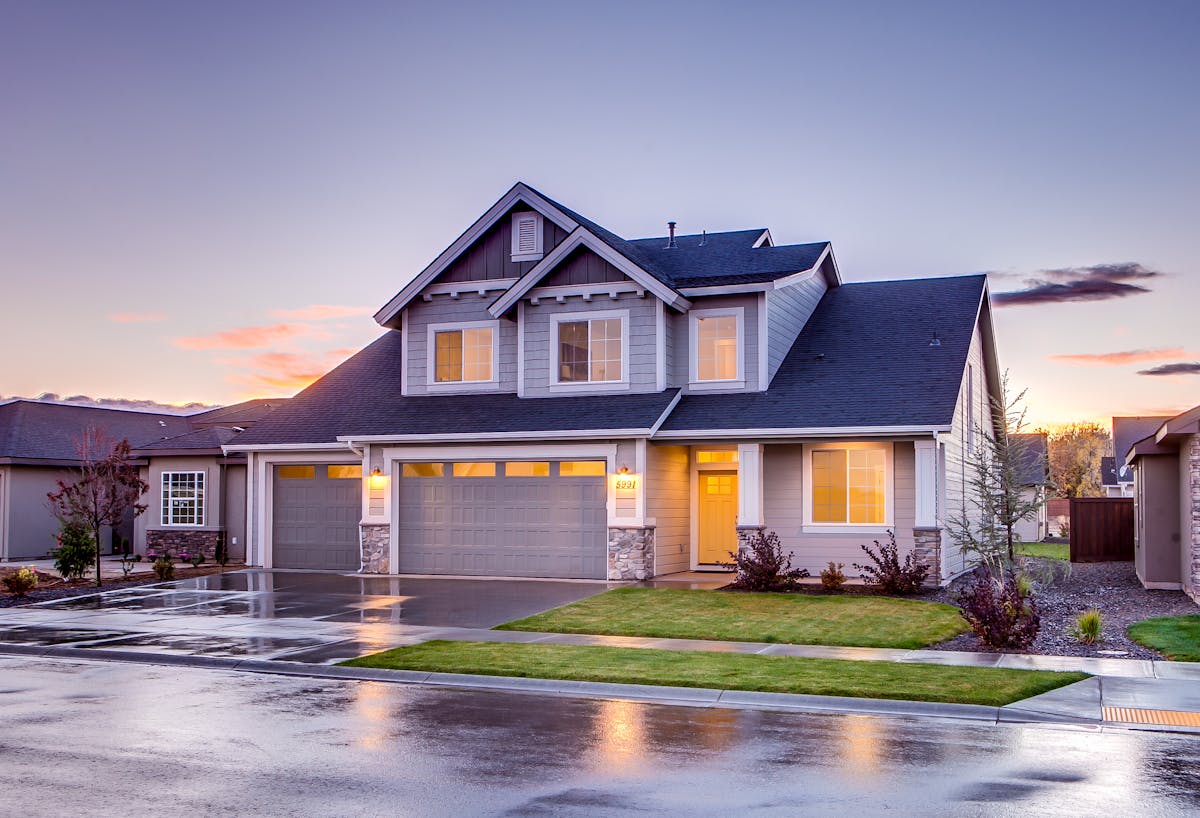
What Is a Snagging Survey?
A snagging survey (also called a new build inspection or pre-completion survey) is a detailed professional inspection of newly constructed properties identifying defects, incomplete work, and sub-standard finishes. Unlike traditional building surveys that assess overall property condition, snagging surveys focus specifically on construction quality, finish standards, and completion of works to building regulations.
The term "snag" refers to minor defects, imperfections, or incomplete work requiring attention. In practice, snagging surveys regularly identify dozens to hundreds of issues ranging from cosmetic blemishes to serious construction defects affecting safety, weatherproofing, and long-term durability.
🏗️ New Build Quality Crisis
Industry statistics 2026:
98% of new builds have at least one defect or snag
Average snags per property: 120-180 items
Serious defects requiring immediate rectification: 15-25% of snags
Properties meeting all Building Regulations: Only 42%
Buyers who commission snagging surveys: 35% (should be 100%)
Emma and Tom purchased a new two-bedroom flat in a development in Stratford for £485,000. They assumed everything would be perfect in a brand-new property and didn't commission a snagging survey. Within three months they discovered plumbing leaks, cracked tiles, poorly fitted kitchen units, inadequate ventilation causing condensation, and numerous cosmetic defects. The developer was uncooperative after completion, refusing to remedy issues claiming they were "minor wear and tear." A £550 pre-completion snagging survey would have identified all these problems, forcing the developer to fix everything before Emma and Tom took ownership.
Key Purpose of Snagging Surveys
- Identify defects before completion: Leverage to insist developer fixes all issues before you take ownership
- Document quality issues: Professional evidence supporting warranty claims if developers initially refuse repairs
- Ensure Building Regulations compliance: Identify non-compliant work requiring rectification
- Protect your investment: Avoid completing on sub-standard properties with expensive hidden defects
- Peace of mind: Professional assurance your new home meets acceptable quality standards
Why New Build Properties Need Snagging Surveys
The myth that new builds don't need surveys is dangerously wrong. Industry data consistently shows new construction has shockingly high defect rates:
The Construction Quality Problem
Multiple factors contribute to widespread new build quality issues:
- Rushed construction: Developers under financial pressure complete properties to meet deadlines, sacrificing quality
- Subcontractor quality: Heavy reliance on lowest-cost subcontractors with variable skills and quality control
- Inadequate site supervision: Large developments with insufficient oversight allowing poor workmanship
- Profit maximization: Developers cutting corners on materials, finishes, and labor to maximize margins
- Weak enforcement: Building Control inspections are limited, not comprehensive quality checks
- Cosmetic focus: Show homes look perfect, but actual purchaser units receive less attention to detail
The "Brand New" Misconception
Many buyers believe new builds are perfect because they're never been lived in. This is false. New construction consistently has more defects than 20-30 year old properties that have been maintained properly. You're not buying perfection – you're buying new construction by the lowest bidder under time pressure.
Developer Incentives
Developers have strong financial incentives to complete properties as quickly and cheaply as possible. Once you complete purchase, their motivation to fix problems evaporates. Pre-completion is your maximum leverage – the developer wants your money and will fix problems to secure the sale. Post-completion, you're reliant on goodwill and warranties with developers often claiming problems are "wear and tear" or "buyer responsibility."
Building Regulations vs Quality
Building Control ensures minimum compliance with building regulations focusing on structural safety, fire safety, and basic standards. They do NOT check finish quality, cosmetic work, or general workmanship. Passing Building Control inspection does not mean the property is well-built or defect-free.
⚠️ Critical Timing
Snagging surveys MUST be conducted BEFORE COMPLETION (exchanging contracts and paying balance). This is your only leverage to force developers to fix problems. After completion, developers often become difficult, claiming problems are minor or your responsibility. Book snagging surveys 2-3 weeks before scheduled completion date.
The Home Builders Federation's own data shows 97% of new home buyers experience problems with their properties. Professional snagging surveys identify these issues before completion when you have maximum negotiating power.
What Snagging Surveys Inspect

Professional snagging inspector conducting detailed new build property assessment
Comprehensive snagging surveys systematically assess all accessible areas and elements:
Structure and External Elements
- Brickwork and external walls: Pointing quality, brick damage, alignment, cleanliness
- Roof: Tile alignment, ridge tiles, ventilation, flashing details, gutter installation
- Windows and doors: Operation, seals, glazing, hardware, painting/finishing, weatherproofing
- External render and cladding: Finish quality, cracking, proper application, weatherproofing
- Drainage: Inspection chambers, surface water drainage, connections, testing where accessible
- External areas: Paths, driveways, boundaries, garden areas
Internal Spaces
- Walls and ceilings: Plaster quality, cracking, alignment, finish standards, paint coverage
- Floors: Level, finish quality, squeaking, gaps, skirting installation
- Doors: Hanging, alignment, hardware, closing properly, finish quality
- Windows: Operation, locking, seals, drainage, condensation between glazing
- Skirting and architraves: Fixing, gaps, mitres, finish quality, painting
- Stairs: Handrails, balustrades, tread alignment, squeaking, regulations compliance
Kitchen
- Units and worktops: Installation quality, level, gaps, damage, door alignment
- Appliances: Installation, operation, seals, ventilation, user manuals
- Plumbing: Taps, waste, connections, leaks under sinks
- Electrics: Sockets, switches, under-cabinet lighting, extractor operation
- Tiling: Alignment, grouting, cuts, finish quality, waterproofing at splashbacks
Bathrooms
- Sanitary ware: Fixing, sealing, level, operation, finish quality
- Tiling: Alignment, grouting, cuts, waterproofing, adhesion
- Shower enclosures: Installation, sealing, operation, drainage, waterproofing
- Ventilation: Extractor fans, adequate airflow, ducting to outside
- Plumbing: Water pressure, hot water delivery, waste flow, leaks
- Heating: Towel rails, underfloor heating (if installed)
Electrical Installation
- Consumer unit: Labeling, RCD protection, accessible, compliant
- Sockets and switches: Operation, fixing, level, finish, sufficient quantity
- Lighting: All lights working, switch control, adequate provision
- Smoke and CO alarms: Installed correctly, interlinked, operating, compliant locations
- Testing: Professional electrical testing certificate (required for new builds)
Heating and Plumbing
- Boiler: Installation, operation, controls, ventilation, instructions
- Radiators: Operation, bleeding, TRVs, painting behind, level
- Hot water: Delivery time, temperature, pressure
- Cold water: Pressure, flow, stopcock accessibility
- Underfloor heating: Operation, controls, even heat distribution (if installed)
Ventilation
- Trickle vents: Windows and walls, adequate provision, unobstructed
- Extractor fans: Bathrooms, kitchens, operation, adequate capacity
- Mechanical ventilation: MVHR systems (if installed), operation, maintenance access
- Compliance: Building Regulations Part F (ventilation) requirements
Insulation and Energy Performance
- Loft insulation: Adequate thickness, coverage, compliant installation
- Cavity wall insulation: Confirmation of installation (cannot be seen)
- Air tightness: Review air tightness test results (required for new builds)
- EPC rating: Certificate provided, rating achieved (typically A or B for new builds)
Documentation and Compliance
- Building Regulations certificates: Completion certificates for all relevant parts
- Electrical test certificate: Required Part P compliance
- Gas safety certificate: If gas supply installed
- NHBC warranty: 10-year warranty documentation
- Appliance manuals: All provided and relevant
Most Common New Build Defects Found

Common construction defects found in new builds - professional snagging surveys identify these issues
Based on thousands of snagging surveys, these are the most frequently identified issues:
1. Poor Paintwork and Decoration (Found in 85% of Properties)
Issues: Paint splashes, missed areas, poor cutting-in at edges, visible brush marks, uneven coverage, drips and runs
Impact: Cosmetic but unprofessional, mars appearance of new property
2. Defective Doors (Found in 78% of Properties)
Issues: Doors not closing properly, gaps at frames, binding on carpets, misaligned latches, damaged edges, poor fitting, squeaking
Impact: Functional problems, drafts, noise, reduced security
3. Tiling Defects (Found in 72% of Properties)
Issues: Misaligned tiles, lippage (uneven surfaces), poor grouting, cracked tiles, inadequate waterproofing, hollow tiles, poor cutting around obstacles
Impact: Water ingress risk, poor aesthetics, tiles may fail over time
4. Plumbing Issues (Found in 68% of Properties)
Issues: Leaking joints under sinks, poor water pressure, slow drainage, inadequate sealing around sanitary ware, inadequate ventilation, incomplete pipe boxing
Impact: Water damage, mold growth, functional problems, potential flood risk
5. Kitchen Installation Defects (Found in 65% of Properties)
Issues: Uneven worktops, poor door alignment, gaps between units and walls, damaged unit doors, poorly fitted appliances, inadequate splashback sealing
Impact: Aesthetic issues, water damage risk, reduced functionality
6. Window and Door Defects (Found in 60% of Properties)
Issues: Difficult to open/close, gaps around frames, inadequate sealing, condensation between glazing panes, missing trickle vents, hardware defects, scratched glass
Impact: Drafts, condensation, security concerns, weatherproofing failures
7. Inadequate Ventilation (Found in 58% of Properties)
Issues: Extractor fans too small or non-functional, trickle vents obstructed or missing, inadequate air bricks, poor MVHR installation
Impact: Condensation, mold growth, poor air quality, Building Regulations non-compliance
8. Electrical Problems (Found in 52% of Properties)
Issues: Non-functional sockets or switches, inadequate number of sockets, poorly positioned switches, missing socket covers, alarm systems incomplete
Impact: Safety concerns, inconvenience, potential fire risks
9. Heating System Issues (Found in 48% of Properties)
Issues: Radiators not heating evenly, boiler controls confusing or inadequate, noisy pipes, leaking valves, missing commissioning documentation
Impact: Inadequate heating, high energy costs, comfort issues
10. External Works Incomplete (Found in 42% of Properties)
Issues: Incomplete paving, poor drainage, debris not cleared, damage to external finishes, inadequate external lighting
Impact: Flooding risk, trip hazards, poor aesthetics
Serious Defects (Found in 12-18% of Properties)
Beyond cosmetic snags, serious structural and compliance issues include inadequate weatherproofing allowing water ingress, missing or inadequate fire protection, Building Regulations non-compliance, structural cracking or movement, dangerous electrical installations, inadequate foundations or floor structures, and roofing defects causing leaks.
These serious defects require immediate rectification and should delay completion until properly remedied.
James and Priya's snagging survey on their new three-bedroom house in Barking identified 167 snags including 23 serious defects requiring immediate attention: bathroom waterproofing inadequate (risk of water damage to flat below), ventilation non-compliant with Building Regulations, structural cracking in external walls, several windows not opening (fire escape concerns), kitchen plumbing leaking under sink. The developer initially resisted fixes, but the professional snagging report gave James and Priya leverage to insist on all repairs before completion. Total rectification took 6 weeks, delaying their completion but ensuring a properly finished property.
The Snagging Survey Process
Professional snagging surveys follow a systematic process:
Step 1: Booking (2-3 Weeks Before Completion)
Contact snagging surveyors once you have a firm completion date. Ideally book 2-3 weeks before completion to allow time for survey, developer remediation, and re-inspection if necessary. Confirm property address, property type and size, completion date, developer name, and any specific concerns.
Step 2: Pre-Survey Coordination
Arrange access with the developer (you may need to collect keys from sales office). Ensure property has electricity and heating operational for testing. Confirm all documentation is available (Building Regulations certificates, warranties, manuals).
Step 3: On-Site Inspection (Day of Survey)
The surveyor conducts a comprehensive inspection typically lasting 3-5 hours for houses, 2-3 hours for flats. Every room and area is systematically assessed. The surveyor photographs all defects and issues. Detailed notes are taken on all snags discovered.
You can attend the inspection (recommended) to see defects firsthand and ask questions, though this is not required.
Step 4: Report Preparation (2-5 Working Days)
The surveyor prepares a comprehensive snagging report including:
- Executive summary of key issues
- Complete itemized list of all snags (typically 80-200+ items)
- Photographs documenting each defect
- Priority ratings (critical, major, minor)
- Recommendations for developer action
- Comments on overall build quality
Step 5: Report Delivery and Discussion
You receive the detailed report via email. The surveyor typically offers a follow-up call to discuss findings and strategy for approaching the developer. You forward the report to the developer demanding rectification of all identified issues before completion.
Step 6: Developer Remediation
The developer reviews the snagging report and schedules remedial works. Timescale varies: 2-6 weeks typical for comprehensive snagging lists. This delays completion but ensures problems are fixed.
Step 7: Re-Inspection (Optional but Recommended)
Once developer claims all snags are fixed, commission a re-inspection (typically £200-£350) to verify all works have been completed to satisfactory standards. This ensures developers don't cut corners on remediation.
⏱️ Timeline Management
Ideal timeline:
Week 1: Book snagging survey
Week 2: Survey conducted, report delivered
Week 3-6: Developer remediation works
Week 7: Re-inspection verifies completion
Week 8: Final completion
Critical: Book surveys 2-3 weeks before scheduled completion to allow buffer for delays
Snagging Survey Costs London 2026
Snagging survey costs vary by property size and type:
Residential Snagging Surveys
- One-bedroom flat: £300-£450
- Two-bedroom flat: £400-£550
- Three-bedroom flat: £450-£650
- Two-bedroom house: £500-£700
- Three-bedroom house: £550-£800
- Four-bedroom house: £700-£1,000
- Five+ bedroom house: £900-£1,400
Additional Services
- Re-inspection after remediation: £200-£400 (typically 50% of original survey fee)
- Thermal imaging (moisture detection): £200-£400
- Professional electrical testing: £150-£300 (if not provided by developer)
- Expedited report (24-48 hours): Add 30-50%
Post-Completion Snagging (Less Leverage)
- Same costs as pre-completion surveys
- However, you have far less leverage to force developer action
- Developers often claim problems are "wear and tear" or buyer-caused
- Rely on NHBC warranty or legal action (expensive and time-consuming)
💰 Return on Investment
Average snagging survey cost: £500-£800
Average value of remediation works forced: £4,500-£12,000
Properties avoiding serious long-term problems: 85%
Typical ROI: 6-15 times survey cost
Snagging surveys are one of the best-value investments in the entire property purchase process.
Understanding NHBC and New Build Warranties
Most new builds include 10-year NHBC (National House Building Council) or equivalent warranties. Understanding warranty coverage is critical:
NHBC Warranty Structure
Years 1-2 (Builder's Warranty): The developer is responsible for fixing all defects including cosmetic issues, finish quality, and workmanship problems. This is your maximum protection period – use it!
Years 3-10 (NHBC Insurance): NHBC covers only major structural defects affecting the property's structural stability. Cosmetic issues, minor defects, and most quality concerns are NOT covered. This is minimal protection only.
What NHBC Doesn't Cover
After the 2-year builder warranty period, NHBC typically doesn't cover:
- Cosmetic defects and finish quality
- Minor plumbing and heating issues
- Door and window adjustment
- Decoration and paintwork
- Kitchen and bathroom quality issues
- Electrical problems (unless creating safety hazard)
- General wear and tear
This is why identifying ALL defects pre-completion is critical – it's your only opportunity to force comprehensive fixes.
NHBC Claims Process
If serious defects appear after the 2-year builder warranty, NHBC claims are complex involving detailed documentation, professional reports, lengthy assessments, and potential disputes. Many claims are rejected on technicalities. Don't rely on NHBC as primary protection – fix everything pre-completion.
Alternative Warranties
Some developers use alternatives to NHBC including Premier Guarantee, LABC Warranty, Checkmate, or Protek. These offer similar 10-year structural coverage with comparable limitations. All emphasize fixing problems during the initial builder warranty period.
Using Snagging Reports to Negotiate with Developers
Professional snagging reports give you powerful leverage to ensure developers fix all problems:
Immediate Action Steps
- Forward the full report to the developer immediately upon receipt, highlighting serious defects requiring urgent attention
- Request written response within 5 working days outlining how and when they'll remedy all identified issues
- Insist on inspection access for remedial trades to complete all works
- Demand completion delay until all snags are satisfactorily remedied
Developer Negotiation Tactics
Developers often resist comprehensive snagging rectification. Common tactics include:
- "These are minor issues": Response: "They may be minor but they're defects in a brand-new property I'm paying £X for. All must be fixed."
- "We'll fix after completion": Response: "Pre-completion fixes are essential. I won't complete until everything is remedied."
- "That's within acceptable tolerance": Response: "I expect higher standards in a new property. This must be completed properly."
- "The warranty will cover it": Response: "Warranties are for unexpected issues, not incomplete construction. Fix now."
Maintaining Leverage
Your leverage comes from not completing. Developers want your money – withholding completion pending remediation is your strongest negotiating position. Be polite but firm: you'll complete once everything is properly finished, not before.
Legal Position
You're entitled to receive a properly completed property free from defects. Professional snagging reports provide objective evidence of failures to complete works to acceptable standards. Developers have legal obligations to remedy defects identified pre-completion.
Escalation Options
If developers resist remediation:
- Copy NHBC or warranty provider on all correspondence
- Threaten (and if necessary, pursue) formal complaints
- Consult a property solicitor about delaying completion
- Consider retaining funds to cover remediation costs (with legal advice)
Most developers will cooperate when faced with professional snagging reports rather than risk reputational damage or legal disputes.
Sophie's snagging report on her new flat in Wembley identified 145 snags including 18 major defects. The developer initially offered to "fix a few items" and urged immediate completion. Sophie firmly refused, stating she'd only complete once ALL snags were remedied. She delayed completion by 5 weeks while the developer systematically fixed every item. Her re-inspection survey confirmed 142 of 145 snags were properly remedied (3 cosmetic items remained but were acceptable). She completed with confidence, knowing her £550 survey investment forced £8,500+ in proper finishing works.
Key Snagging Survey Takeaways
- ✓ 98% of new builds have defects – professional snagging surveys identify 120-180 snags per property average
- ✓ Must be conducted BEFORE COMPLETION – this is your only leverage to force fixes
- ✓ Costs £300-£1,000 depending on size – typically returns 6-15x investment in forced remediation
- ✓ Common issues: poor decoration (85%), defective doors (78%), tiling defects (72%), plumbing issues (68%)
- ✓ NHBC warranties cover only major structural defects years 3-10; years 1-2 are crucial for fixing everything
- ✓ Book surveys 2-3 weeks before completion to allow time for remediation and re-inspection
- ✓ Developers often resist – be firm, delay completion until all snags properly remedied
- ✓ Professional reports provide objective evidence supporting your demands for proper finishing
- ✓ Re-inspection (£200-£400) verifies developers actually fixed all identified snags
- ✓ Don't rely on "it's brand new" – industry data shows new builds consistently have extensive quality issues
Frequently Asked Questions
Do I really need a snagging survey for a brand-new property?
Absolutely yes. Industry data shows 98% of new builds have defects, with average 120-180 snags per property. "Brand new" doesn't mean "perfect" – it means rushed construction by lowest bidders under time pressure. Snagging surveys identify problems before you complete, giving you leverage to force fixes. Cost £300-£1,000 but typically force £4,500-£12,000 in remediation works.
When should I book my snagging survey?
Book 2-3 weeks before your scheduled completion date. This allows time for survey, report delivery, developer remediation (2-6 weeks), and re-inspection. Never complete without a snagging survey – you lose all leverage once developers have your money. If necessary, delay completion to ensure everything is properly finished.
What if the developer refuses to fix the snags?
Refuse to complete until snags are remedied. Your leverage is withholding the final payment. Developers want your money and will fix problems to secure completion. If they resist, involve NHBC/warranty provider, consult your solicitor, and be prepared to delay completion. Professional snagging reports provide objective evidence supporting your position legally.
Can I do my own snagging inspection instead of hiring professionals?
You can try, but professional surveyors have training, experience, and objectivity you lack. They know what to look for, building regulations requirements, and how to document defects properly. DIY snagging often misses 50-70% of defects, and developers dismiss amateur reports more easily than professional surveys from RICS-qualified surveyors. The £300-£1,000 cost is worthwhile for expert assessment.
What's the difference between snagging survey and building survey?
Snagging surveys inspect finish quality, workmanship, and completion of new construction – focused on defects and incomplete work. Building surveys assess overall property condition, structure, and maintenance needs – focused on property suitability and future costs. For new builds, you need a snagging survey. Traditional building surveys aren't designed for new construction quality assessment.
Does the NHBC warranty cover all defects?
No. Years 1-2: Builder responsible for ALL defects. Years 3-10: NHBC covers only MAJOR STRUCTURAL defects affecting stability. Cosmetic issues, minor defects, finish quality, and most problems are NOT covered after year 2. This is why fixing everything pre-completion during year 1 is critical – it's your only opportunity for comprehensive rectification.
Should I attend the snagging survey inspection?
Recommended but not required. Attending allows you to see defects firsthand, understand problems, ask questions, and learn about your property. However, professional surveyors work efficiently alone and may prefer uninterrupted inspection. Discuss with your surveyor – many welcome clients for final walkthrough after main inspection is complete.
Book Your New Build Snagging Survey
Protect your investment with professional snagging inspection before completion.
Request Snagging Survey Quote