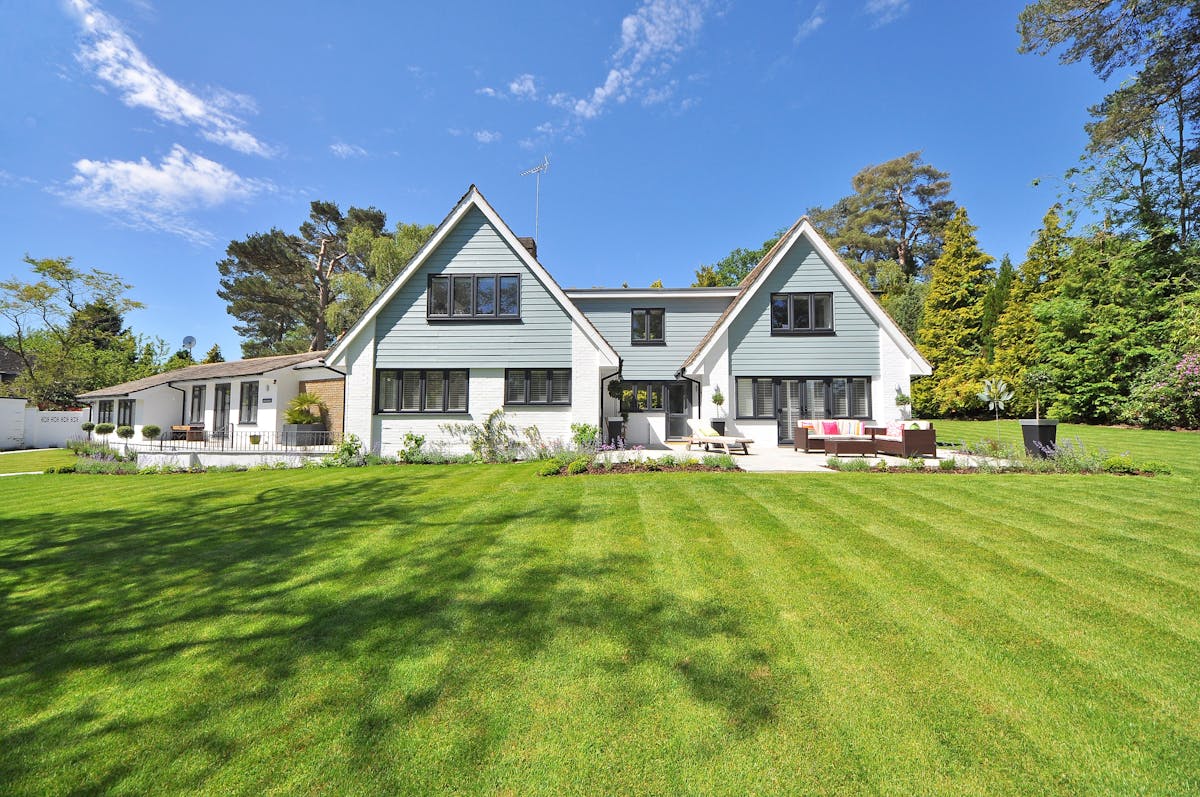
Last month, we surveyed a beautiful Victorian terrace in Islington for a couple buying their first home. The property looked immaculate—freshly painted, new carpets, modern kitchen. But our building survey revealed £18,000 worth of hidden defects: subsidence in the rear extension, serious damp behind the new kitchen units, and a roof needing complete replacement within two years.
The buyers used our report to renegotiate the price down by £22,000. That RICS Level 3 survey cost them £850—but saved them over twenty thousand pounds.
This comprehensive guide from our RICS surveyors explains everything you need to know about building surveys when buying property in London.
What Is a Building Survey?
A building survey—officially called a RICS Level 3 survey—is the most detailed property inspection available in the UK. Our surveyors conduct a thorough examination of your building, providing detailed analysis of its condition, construction, and any defects.
Unlike a basic mortgage valuation (which takes 20 minutes and checks the property is worth what you're paying), a building survey takes 3-4 hours. We inspect every accessible part of the property, from foundations to roof spaces.
What Makes It Different from a Homebuyer Report?
We're often asked: "Should I get a RICS Level 2 Homebuyer Report or a Level 3 building survey?" Here's the key difference:
RICS Level 2 (Homebuyer Report): Best for conventional properties built after 1900 in reasonable condition. Uses a traffic light system to rate defects. Includes a market valuation. Perfect for standard houses and flats that appear sound.
RICS Level 3 (Building Survey): The most comprehensive inspection available. Essential for older properties, those with visible problems, unusual construction, or when you're planning major renovations. No traffic light system—instead, you get detailed technical analysis of every element.
Think of it this way: a Homebuyer Report tells you "there's damp in the kitchen". A building survey tells you "there's rising damp caused by failed damp proof course, affecting 3.2 linear metres of wall, likely costing £2,500-£3,500 to remediate, with detailed recommendations for treatment".
💡 Expert Tip from Our Surveyors
If your mortgage lender requests a building survey, don't see it as a negative. They've spotted something that concerns them—which is exactly what you need to know before committing hundreds of thousands of pounds.
When Do You Need a Building Survey?
At Angel Surveyors, we recommend a RICS Level 3 building survey when:
- The property is old - Anything built before 1900 (especially Victorian, Georgian, or Edwardian properties common across London)
- You've spotted defects - Visible cracks, damp patches, sloping floors, or structural issues
- It's unusual construction - Timber-framed, thatched, or non-standard building methods
- You're planning renovations - Extensions, loft conversions, or major alterations need proper structural assessment first
- It's listed or in a conservation area - These properties require specialist knowledge and detailed inspection
- The property is expensive - When you're spending £1 million+, comprehensive inspection provides peace of mind
- Your lender insists - If the mortgage company requests a building survey, there's usually good reason
We recently surveyed a Grade II listed Georgian townhouse in Hampstead. The buyers initially hesitated at the £1,400 survey cost. Our inspection identified structural movement requiring underpinning (estimated £35,000-£45,000), historic timber beetle infestation needing treatment (£8,000), and lead plumbing requiring replacement (£12,000). Total: around £55,000 in essential repairs. The survey wasn't expensive—it was invaluable.
What Does a Building Survey Include?
Our comprehensive building surveys leave no stone unturned (sometimes literally—we'll check under stones in your garden if we suspect drainage issues!). Here's what's included:
Structural Inspection
- Foundations - We inspect for settlement, subsidence, and movement
- Walls (external and internal) - Checking for cracks, bulging, damp, and structural integrity
- Floors - Assessment of construction, condition, and any defects
- Roof structure - Examining timbers, trusses, and load-bearing elements
Roof Assessment
- Roof coverings - Tiles, slates, lead, or other materials
- Chimneys - Structural condition, pointing, flashing, and stability
- Guttering and downpipes - Condition, leaks, and adequacy
- Flashings and valleys - Critical waterproofing elements
Damp Investigation
Using professional moisture meters and thermal imaging (where appropriate), we identify:
- Rising damp - From ground level moisture
- Penetrating damp - Through walls, roofs, or windows
- Condensation - From inadequate ventilation
- Leaks - From plumbing or rainwater ingress
Services Review
We conduct visual inspections of:
- Heating systems - Boilers, radiators, controls (age and condition)
- Plumbing - Visible pipework, water pressure, drainage
- Electrics - Consumer unit, visible wiring, sockets (we recommend specialist electrical surveys for thorough testing)
- Drainage - External drainage, gullies, and manholes
External Elements
- Windows and doors - Condition, operation, security, and weatherproofing
- Boundaries - Walls, fences, gates
- Outbuildings - Garages, sheds, garden buildings
- Grounds - Paths, driveways, gardens, and drainage
Comprehensive Report
You'll receive a detailed report (typically 40-60 pages) including:
- Detailed findings - Every defect explained clearly
- Photographs - Visual evidence of issues
- Technical explanations - Construction methods and materials
- Repair recommendations - What needs doing and when
- Cost estimates - Approximate repair costs for budgeting
- Maintenance advice - How to keep your property in good condition
💡 What We Can't Do
Building surveyors can't see through walls or floors, and we won't move furniture or lift carpets (unless you arrange it). We inspect all accessible areas—but if your loft hatch is sealed or the cellar is full of belongings, we'll note what we couldn't see and recommend re-inspection once accessible.
How Long Does a Building Survey Take?
The inspection itself typically takes 2-4 hours, depending on:
- Property size - A one-bedroom flat might take 2 hours; a five-bedroom Victorian house could take 4+ hours
- Complexity - Properties with multiple levels, extensions, or unusual features take longer
- Access - If we need to access multiple outbuildings, roof spaces, and cellars, this extends inspection time
- Defects found - When we identify issues, we investigate thoroughly, which takes additional time
You don't need to attend the survey (most clients don't), but you're welcome to join us. Some buyers find it helpful to be there—you can ask questions and see issues first-hand.
Report Delivery Time
Following the inspection, our RICS surveyors prepare your comprehensive report. Standard delivery is 5-7 working days. We can expedite reports if you're working to tight deadlines (completion dates can be unforgiving!), often delivering within 48-72 hours for urgent cases.
Your report arrives via email as a PDF, making it easy to share with solicitors, mortgage brokers, or contractors for repair quotes.

Building Survey Costs
"How much does a building survey cost?" is one of the first questions buyers ask. At Angel Surveyors, our fees reflect property value, size, location, and complexity.
Typical Building Survey Costs in London (2026):
- Properties up to £500,000: £600-£900
- Properties £500,000 - £1 million: £900-£1,200
- Properties £1 million - £2 million: £1,200-£1,800
- Properties over £2 million: £1,800-£2,500+
Additional factors affecting cost:
- Location - Central London properties may cost more due to surveyor travel time and parking
- Property type - Listed buildings or unusual construction require specialist knowledge
- Urgency - Express service (48-hour reports) may incur additional fees
- Additional surveys - Specialist surveys (3D laser scanning, drone surveys, electrical tests) cost extra
Is a Building Survey Worth the Cost?
Absolutely. We regularly identify defects costing £10,000-£50,000+ to repair. Consider:
- A £900 survey identifying £15,000 of subsidence repairs—negotiate £15,000 off the purchase price
- Discovering a roof needs replacing (£25,000) before you exchange contracts—you can walk away or adjust your offer
- Finding serious electrical faults (£8,000 rewire needed)—factor this into your budget or ask the seller to fix it
Last week, we surveyed a property for £750. Our survey revealed structural issues that would cost £32,000 to repair. The buyers withdrew from the purchase, saving themselves from a financial disaster. That £750 was the best money they ever spent.
Key Takeaways: Building Survey Costs
- Building surveys cost £600-£2,500+ depending on property value and size
- The survey is typically 0.1-0.2% of the property purchase price
- Surveys regularly identify defects worth 10-100x the survey cost
- You can use survey findings to renegotiate the price or request repairs
- A survey that finds nothing major still provides peace of mind—that's valuable too
Common Issues Found in Building Surveys
From our extensive experience surveying properties across London, here are the issues we most frequently identify:
1. Damp Problems
Rising damp, penetrating damp, and condensation are the most common defects in London properties, particularly those built before 1950.
Rising damp occurs when ground moisture rises through walls due to failed or missing damp proof courses. Look for tide marks, flaking plaster, and that distinctive musty smell.
Penetrating damp comes through walls, roofs, or around windows. We see this constantly in Victorian properties where pointing has failed or flashings have deteriorated.
Condensation is common in modernised properties with new windows but inadequate ventilation. Mould in corners and on north-facing walls are telltale signs.
Typical costs: Rising damp treatment: £1,500-£4,000. Penetrating damp repairs: £500-£3,000 depending on cause. Condensation solutions: £200-£1,500 for ventilation improvements.
2. Structural Movement and Subsidence
Cracks, subsidence, and structural movement affect many London properties, especially those built on clay soils (which shrink and swell with moisture changes).
Not all cracks are serious. We assess:
- Width - Cracks over 5mm need investigation
- Location - Diagonal cracks near doors/windows are concerning; fine vertical cracks often aren't
- Pattern - Stepped cracking through brickwork suggests structural issues
- Activity - Is movement ongoing or historic and stable?
Typical costs: Minor crack repairs: £500-£2,000. Underpinning for subsidence: £10,000-£50,000+ depending on extent.
3. Roof Defects
Aging roof coverings, damaged flashings, and defective guttering are frequent findings, particularly in properties over 40 years old.
Common roof issues we identify:
- Slipped or missing tiles/slates (allowing water ingress)
- Damaged lead valleys or flashings (major leak sources)
- Defective guttering causing wall dampness
- Aging felt or sarking (traditional roofing underlayer)
- Chimney pointing failure (very common in Victorian properties)
Typical costs: Minor repairs: £500-£2,000. Full roof replacement: £8,000-£25,000+ depending on size and materials.
4. Timber Decay and Infestation
Wet rot, dry rot, and woodworm affect floor joists, roof timbers, and structural elements in many older properties.
Wet rot occurs where timber stays damp (common in bathrooms, under leaking sinks, or where gutters overflow). The timber becomes soft and crumbly.
Dry rot is more serious—a fungus that spreads through masonry and can destroy structural timbers. It has a distinctive mushroom smell.
Woodworm (beetle infestation) leaves characteristic flight holes. Active infestation needs treatment; old woodworm often requires no action.
Typical costs: Woodworm treatment: £500-£2,000. Wet rot repairs: £1,000-£5,000. Dry rot treatment (including affected timbers): £2,000-£10,000+.
5. Electrical and Plumbing Issues
While we can't test electrical systems (that requires a qualified electrician), we identify obvious concerns:
- Old consumer units (fuse boxes) that don't meet current regulations
- Insufficient sockets (suggesting overloading risks)
- Visible old wiring that may not comply with current standards
- Lack of RCD protection (required for safety)
For plumbing, we check for lead pipes (common in pre-1970 properties), visible leaks, and adequate water pressure.
Typical costs: Full rewire: £3,000-£8,000 for a typical house. Consumer unit upgrade: £500-£1,000. Lead pipe replacement: £1,500-£4,000.
What Happens After Your Survey?
You've received your building survey report—now what? You have several options:
1. Proceed with Purchase
If the survey identifies only minor, manageable issues, you may be happy to proceed. Most properties have some defects—the question is whether they're acceptable to you.
We always include maintenance advice in our reports, so even minor issues are flagged for your attention post-purchase.
2. Renegotiate the Price
This is the most common outcome. Use your survey findings to negotiate a price reduction reflecting repair costs.
Example: Survey identifies £12,000 of necessary repairs. Negotiate £15,000 off the purchase price (covering repairs plus contingency). The seller saves the hassle of arranging repairs; you save money.
Your solicitor can help with this negotiation, using our detailed report as evidence.
3. Request Repairs Before Completion
For serious issues, you might ask the seller to carry out repairs before you complete. This works best for urgent defects like:
- Roof leaks causing active water damage
- Unsafe electrical installations
- Serious damp requiring immediate treatment
Get any agreement in writing, and ideally have repairs completed by appropriately qualified contractors with guarantees.
4. Commission Specialist Surveys
Sometimes our building survey identifies issues needing specialist investigation:
- Structural engineer for serious subsidence or structural calculations
- Electrical survey for thorough testing of wiring and systems
- Drainage survey using CCTV cameras to inspect drains and sewers
- Damp specialist for extensive moisture problems
We can recommend trusted specialists and coordinate these additional surveys.
5. Walk Away
If defects are too serious, too expensive, or make the property unsuitable for your needs, you can withdraw from the purchase. You'll lose survey fees and perhaps legal costs, but you'll avoid buying a problem property.
We recently surveyed a property where we identified structural movement so severe it needed £60,000+ of underpinning. The property was on sale for £650,000. The buyers withdrew—they'd rather find a different house than take on such major works.
That's exactly what building surveys are for: informed decision-making.
Why Choose Angel Surveyors?
When you're investing hundreds of thousands of pounds in property, you need surveyors you can trust. Here's why London buyers choose Angel Surveyors:
- RICS Accredited Chartered Surveyors - All our surveyors are fully qualified RICS members with extensive experience
- London Specialists - We've surveyed thousands of London properties and understand regional building characteristics, soil conditions, and common issues
- Advanced Technology - We use drone surveys for difficult-to-access roofs, 3D laser scanning for detailed measurements, thermal imaging for damp investigation, and professional moisture meters
- Comprehensive Reports - Detailed 40-60 page reports with photographs, clear explanations, repair recommendations, and cost estimates
- Fast Turnaround - Standard 5-7 working day delivery, with express 48-72 hour service available
- Always Available - We're here to discuss your report, answer questions, and provide advice on next steps
- Transparent Pricing - No hidden fees, clear quotes upfront
We've been helping London property buyers make informed decisions since our founding. Our reputation is built on thoroughness, honesty, and clear communication.