
Why First-Time Buyers Need a Property Survey
When you're buying your first property in London, a professional survey is one of the most important investments you'll make. Many first-time buyers skip this crucial step to save money, only to discover costly problems after completion. A property survey identifies defects, structural issues, and necessary repairs before you commit to the purchase.
Sarah and Tom, first-time buyers from Clapham, nearly made this mistake. They were thrilled to find a Victorian terrace within budget and were tempted to proceed without a survey. Fortunately, their mortgage broker insisted on a Level 2 Homebuyer Survey. The survey revealed significant damp issues in the basement and outdated electrical wiring that would cost £18,000 to repair.
💡 Key Insight
95% of properties surveyed have at least one defect requiring attention. For first-time buyers, a survey typically saves 2-5 times its cost in avoided repairs or successful price negotiations.
Here's why a survey is essential for first-time buyers:
- Identifies hidden defects – Structural issues, damp, subsidence, and electrical problems that aren't visible during viewings
- Provides negotiation leverage – Use survey findings to renegotiate the purchase price or request repairs before completion
- Prevents costly surprises – Discover repair costs before committing, avoiding financial strain after moving in
- Informs your decision – Walk away from problem properties or proceed with confidence knowing exactly what you're buying
- Future-proofs your investment – Understand maintenance needs and budget for upcoming repairs over the next 5-10 years
As a first-time buyer with limited financial cushion, you can't afford unexpected repair bills after completion. A survey is your protection against buying a money pit.
Types of Property Surveys Explained
Understanding the different types of surveys is crucial for first-time buyers. Each survey level offers different depths of inspection, and choosing the right one depends on your property type, age, condition, and budget.
RICS Level 2 Homebuyer Survey (Most Popular for First-Time Buyers)
The Level 2 Homebuyer Survey is the most popular choice for first-time buyers purchasing conventional properties in reasonable condition. It's more detailed than a basic valuation but less invasive than a full Building Survey.
What it covers:
- Visual inspection of accessible areas (no lifting floorboards or moving furniture)
- Assessment of property condition using a traffic light system (1 = no issues, 2 = attention needed, 3 = serious defects)
- Identification of urgent repairs and significant defects
- Brief evaluation of services (heating, plumbing, drainage, electrics)
- Market valuation and insurance reinstatement figure
Best for: Conventional properties built from 1900 onwards in reasonable condition, including most flats, terraced houses, and semi-detached homes.
Cost range: £450-£800 depending on property value and location
RICS Level 3 Building Survey (For Older or Unusual Properties)
A Building Survey is the most comprehensive inspection available. It's essential for older properties, those in poor condition, or buildings with unusual construction.
What it covers:
- Detailed inspection of all accessible areas, including roof spaces and under-floor areas where possible
- In-depth analysis of construction, materials, and condition
- Identification of all defects, their causes, and detailed repair recommendations with cost estimates
- Assessment of specialist issues like timber decay, damp, and structural movement
Best for: Properties built before 1900, listed buildings, properties with known defects, unusual construction, or properties requiring renovation.
Cost range: £600-£2,000+ depending on property size and complexity
Basic Valuation (Not Recommended for First-Time Buyers)
A basic valuation is arranged by your mortgage lender to confirm the property is worth the loan amount. It's NOT a survey and provides no information about property condition or defects.
⚠️ Warning
Many first-time buyers mistakenly believe the mortgage valuation is sufficient. It's NOT. The valuation only protects the lender, not you as the buyer. Always commission your own independent survey.
Choosing the Right Survey for Your Property
As a first-time buyer, choosing the right survey level is crucial. Here's a practical decision framework based on property type, age, and condition:
Choose a Level 2 Homebuyer Survey if:
- The property was built after 1900
- It's a conventional construction (brick, stone, or standard timber frame)
- It appears to be in reasonable condition with no obvious defects
- It's a standard flat, terraced house, or semi-detached property
- You want a cost-effective survey covering all major concerns
Choose a Level 3 Building Survey if:
- The property was built before 1900 (Victorian, Georgian, Edwardian)
- It's a listed building or in a conservation area
- It has obvious defects, cracks, or signs of structural movement
- It's been significantly altered or extended
- It has unusual construction (timber frame, thatched roof, etc.)
- You're planning major renovations or extensions
James, a first-time buyer purchasing a 1920s terraced house in Wandsworth, was deciding between surveys. The property appeared in good condition during viewings, but he noticed a small crack above a window. His surveyor recommended a Level 2 survey for this era and property type. The survey revealed the crack was minor settlement but also identified outdated wiring and a small roof leak that would cost £4,500 to fix. James negotiated a £5,000 price reduction.
💡 Pro Tip
When in doubt, choose the more comprehensive survey. The additional cost (typically £200-£400) is minimal compared to the risk of missing serious defects that could cost tens of thousands to repair.
The Survey Process: What First-Time Buyers Should Expect
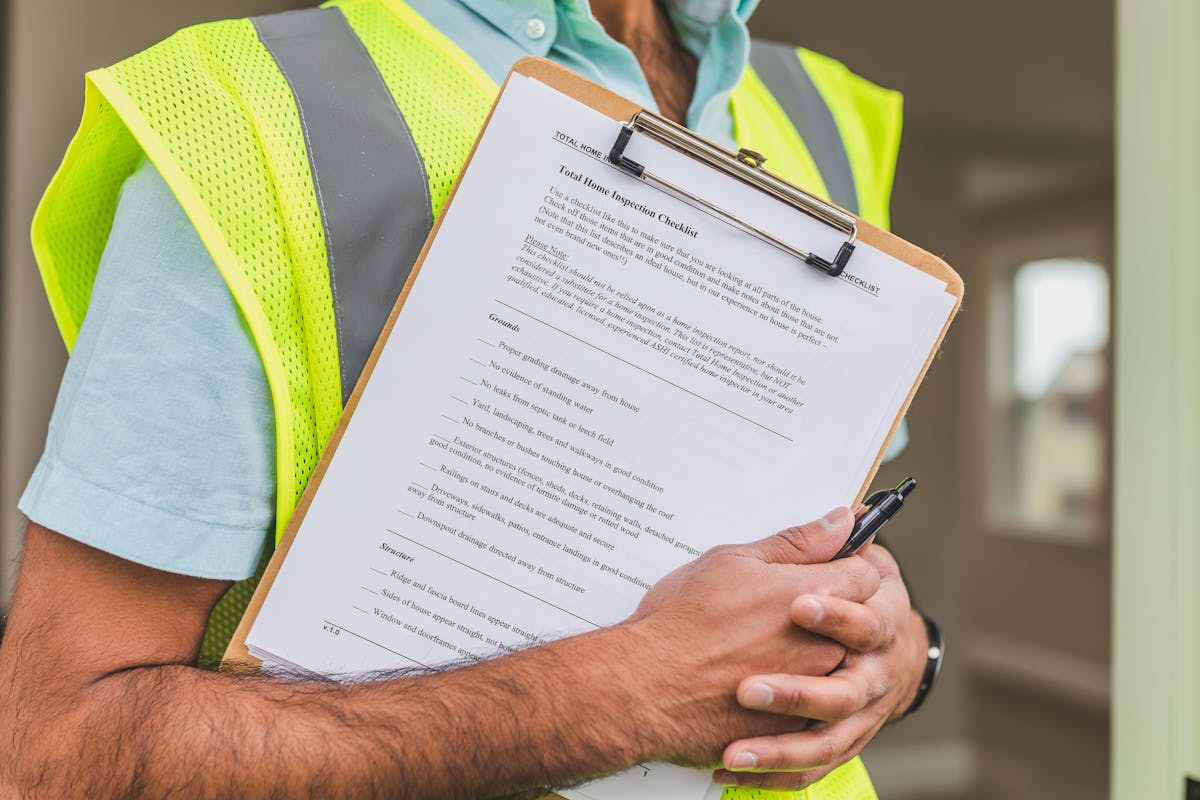
Understanding the survey process helps first-time buyers know what to expect and avoid common concerns. Here's a step-by-step timeline:
Step 1: Booking Your Survey (Day 1)
Contact a RICS surveyor once your offer is accepted and before exchange of contracts. Provide the property address, your contact details, and confirm the survey type. The surveyor will provide a quote (usually based on property value) and available dates.
Step 2: Pre-Survey Questionnaire (Day 1-2)
The surveyor will send you a questionnaire asking about your concerns, any issues you've noticed, and specific areas to focus on. Be thorough – mention anything that worried you during viewings, even if it seems minor.
Step 3: The Inspection (Day 3-7)
The surveyor will visit the property and conduct a thorough inspection. For a Level 2 survey, this takes 2-4 hours depending on property size. For a Level 3 Building Survey, expect 3-6 hours or more for larger properties.
You don't need to attend the inspection, but many first-time buyers find it valuable to meet the surveyor at the end to discuss initial observations and ask questions.
Step 4: Report Delivery (Day 8-14)
You'll receive a detailed written report within 5-10 working days. Level 2 reports are typically 20-30 pages with photos, condition ratings, and summaries. Level 3 reports can be 40-80+ pages with detailed technical analysis.
Step 5: Report Discussion and Next Steps (Day 15+)
Review the report carefully and contact your surveyor to discuss any concerns or unclear points. Most surveyors offer a follow-up call to explain findings and answer questions – this is included in your fee, so use it!
📋 What the Surveyor Checks
External areas: Roof, chimneys, walls, windows, doors, drainage, boundaries
Internal areas: Ceilings, walls, floors, damp, timber defects, staircases
Services: Heating, plumbing, electrics (visual assessment only)
Grounds: Gardens, outbuildings, access, Japanese knotweed
Survey Costs for First-Time Buyers in London
Survey costs vary based on property value, size, location, and the survey type. Here are realistic London cost ranges for 2026:
Level 2 Homebuyer Survey Costs
- Properties up to £300,000: £450-£600
- Properties £300,000-£500,000: £550-£750
- Properties £500,000-£750,000: £650-£900
- Properties £750,000-£1,000,000: £800-£1,100
Level 3 Building Survey Costs
- Properties up to £500,000: £800-£1,200
- Properties £500,000-£1,000,000: £1,000-£1,600
- Properties over £1,000,000: £1,400-£2,500+
Additional Services
- Drone roof survey: £150-£300 extra
- Thermal imaging damp survey: £200-£400
- Electrical condition report: £150-£300
- Timber and damp specialist report: £250-£500
Emma, buying her first flat in Brixton for £380,000, paid £620 for a Level 2 survey. The report identified a leaking flat roof over the extension that would cost £6,500 to replace. She negotiated a £7,000 price reduction, making her £620 survey investment return over 11 times its cost!
💰 Cost vs. Value
A survey typically costs 0.1-0.15% of your property purchase price. On average, survey findings help buyers negotiate price reductions of 1-3% of the purchase price – a 10-20x return on investment.
Understanding Your Survey Report

Many first-time buyers find survey reports overwhelming with technical jargon and extensive detail. Here's how to interpret your report and focus on what matters:
The Traffic Light System (Level 2 Reports)
Level 2 Homebuyer Surveys use a traffic light rating system:
- Condition Rating 1 (Green): No repair needed. Normal maintenance required.
- Condition Rating 2 (Amber): Defects requiring attention but not serious. Repairs or maintenance should be carried out soon.
- Condition Rating 3 (Red): Serious defects or defects requiring urgent repair or investigation. May affect value.
What to Focus On
Don't panic if your report contains many Condition Rating 2 items – this is normal, especially for older properties. Focus on:
- Condition Rating 3 defects: These are serious and require immediate attention
- High-cost repairs: Look for repair estimates over £5,000
- Structural issues: Cracks, subsidence, movement, foundation problems
- Damp and water ingress: Can lead to expensive long-term damage
- Roof defects: Major roof repairs can cost £10,000-£30,000+
Common Findings in First-Time Buyer Properties
Based on thousands of surveys, here are the most common issues found in typical first-time buyer properties (flats and houses £250,000-£500,000 in London):
- Outdated electrical installations requiring rewiring (60% of properties)
- Damp issues in basements, bathrooms, or external walls (45% of properties)
- Roof repairs needed within 5 years (35% of properties)
- Ageing boilers requiring replacement soon (30% of properties)
- Window and door deterioration (25% of properties)
📖 Reading Your Report
Start with the Executive Summary on the first few pages – this highlights all major issues. Then read the detailed sections for Condition Rating 3 items and any high-cost repairs. Finally, review the recommendations section for next steps.
How to Negotiate Based on Survey Findings
A survey gives first-time buyers powerful negotiation leverage. Here's how to use your report effectively to renegotiate price or request repairs:
Step 1: Get Repair Quotes
For any Condition Rating 3 defects or major repairs, obtain quotes from reputable contractors. This provides concrete evidence of costs and strengthens your negotiation position.
Step 2: Prioritize Your Concerns
Focus negotiations on:
- Serious structural defects (subsidence, major cracks, foundation issues)
- Safety hazards (electrical faults, gas safety issues)
- High-cost repairs (roof replacement, rewiring, damp treatment)
- Issues that affect property value or saleability
Step 3: Choose Your Negotiation Strategy
You have four options after receiving your survey:
- Request a price reduction: Ask the seller to reduce the price by the cost of repairs (or a portion of it)
- Request the seller completes repairs: Ask them to fix issues before completion (ensure they use qualified contractors)
- Proceed as-is with awareness: Accept the property knowing the defects and budget for repairs after moving in
- Walk away: If defects are too severe or costs too high, withdraw from the purchase
Negotiation Success Stories
Michael and Lisa found their dream Victorian terrace in Tooting for £485,000. Their Building Survey revealed significant damp in the basement (£12,000 to fix) and a roof requiring replacement within 2-3 years (£15,000). They presented quotes to the seller and successfully negotiated a £22,000 price reduction, buying the property for £463,000.
Priya, purchasing a flat in Walthamstow for £310,000, discovered through her survey that the boiler was 18 years old and the electrics hadn't been updated since 1985. She obtained quotes totaling £7,500 for rewiring and a new boiler. The seller agreed to complete these works before completion, saving Priya the hassle and ensuring the work was done to a good standard.
✅ Negotiation Tactics
Be reasonable: Don't expect the seller to cover every minor defect
Use evidence: Provide contractor quotes and surveyor recommendations
Be prepared to compromise: Split costs 50/50 or agree on priority repairs only
Keep emotions out: Present facts professionally through your solicitor or estate agent
Common First-Time Buyer Survey Mistakes to Avoid
Learn from others' mistakes to ensure your survey process goes smoothly:
Mistake 1: Skipping the Survey to Save Money
This is the biggest mistake first-time buyers make. The £500-£1,000 survey cost seems significant when you're stretching to afford a deposit, but discovering a £20,000 structural problem after completion is financially devastating.
Mistake 2: Relying on the Mortgage Valuation
The lender's valuation is NOT a survey. It's a quick assessment (often desktop-only) to ensure the property is worth the loan amount. It won't identify defects or protect you from buying a problem property.
Mistake 3: Choosing the Cheapest Quote
Survey quality varies significantly between surveyors. A cheap survey from an inexperienced surveyor may miss critical defects. Always choose a qualified RICS surveyor with experience in your property type and local area.
Mistake 4: Not Reading the Full Report
Many buyers skim the summary and miss important details in the body of the report. Read everything carefully and call your surveyor to discuss anything unclear.
Mistake 5: Panicking Over Minor Issues
Almost every property will have some defects or maintenance needs. Don't let a long list of Condition Rating 2 items derail your purchase. Focus on serious (Rating 3) defects and high-cost repairs.
Mistake 6: Not Following Up on Recommended Investigations
If your surveyor recommends specialist investigations (e.g., electrical inspection, structural engineer assessment), don't ignore them. These recommendations indicate potentially serious issues requiring expert assessment before you commit to the purchase.
Mistake 7: Waiting Too Long to Book
Book your survey immediately after your offer is accepted. Waiting until close to exchange leaves no time to negotiate, investigate further, or walk away if serious problems are found. Aim to have your report at least 2-3 weeks before exchange of contracts.
Key Takeaways for First-Time Buyers
- ✓ Always commission your own independent survey – the mortgage valuation doesn't protect you
- ✓ Choose a Level 2 Homebuyer Survey for most conventional properties built after 1900
- ✓ Choose a Level 3 Building Survey for pre-1900 properties, listed buildings, or properties with obvious defects
- ✓ Book your survey immediately after offer acceptance to allow time for negotiations
- ✓ Use a qualified RICS surveyor with local London experience
- ✓ Read your report thoroughly and discuss any concerns with your surveyor
- ✓ Use survey findings to negotiate price reductions or request repairs before completion
- ✓ Obtain contractor quotes for major repairs to support negotiations
- ✓ Don't panic over minor defects – focus on Rating 3 items and high-cost repairs
- ✓ Follow up on any specialist investigations recommended by your surveyor
Frequently Asked Questions
Do I really need a survey if I'm buying a new-build property?
Yes! New-build properties often have defects or snagging issues. A professional snagging survey (typically £300-£500) identifies construction defects, incomplete work, and quality issues before you complete. This gives you leverage to ensure the developer fixes all problems.
What if my survey reveals serious defects – can I still get a mortgage?
It depends on the severity. Minor-to-moderate defects won't affect your mortgage. However, serious structural issues or properties deemed uninhabitable may result in mortgage refusal until repairs are completed. Your surveyor can advise on whether defects will affect financing.
Can I use the survey from the previous failed sale?
Not recommended. Surveys are only valid at the time of inspection and quickly become outdated (typically 3-6 months). Property condition can deteriorate, and you'd have no recourse if the old survey missed something. Always commission your own fresh survey.
How long does a property survey take?
The inspection takes 2-4 hours for a Level 2 survey and 3-6 hours for a Level 3 Building Survey. You'll receive the written report within 5-10 working days. Expedited reports (2-3 days) are often available for an additional fee if you're on a tight timeline.
What happens if the seller refuses to negotiate after a bad survey?
You have three options: (1) Proceed with the purchase accepting the defects and budgeting for repairs, (2) Compromise on negotiations (e.g., split repair costs), or (3) Walk away and look for another property. You're not obligated to proceed if you're uncomfortable with the findings.
Should I attend the survey inspection?
It's not necessary, but many first-time buyers find it valuable to meet the surveyor at the end of the inspection for a brief discussion of initial findings. This gives you immediate insight into major concerns and the opportunity to ask questions.
Q: Are property surveys tax-deductible or can I get a refund if the purchase falls through?
A: Surveys are not tax-deductible, and fees are non-refundable even if the sale doesn't proceed. However, many surveyors offer discounts (typically 20-30%) on future surveys within 12 months if you need to survey another property.
Q: What's the difference between a surveyor and a home inspector?
A: In the UK, property surveys must be conducted by qualified RICS (Royal Institution of Chartered Surveyors) professionals with specific training and professional indemnity insurance. "Home inspector" isn't a regulated term in the UK. Always use a RICS surveyor for professional protection and expertise.
Ready to Book Your First-Time Buyer Survey?
Get expert advice from our RICS surveyors and protect your first property investment with a comprehensive survey.
Get Your Free Quote Today