
Yesterday, a client called us from outside a property viewing in Clapham. "The estate agent says I don't need a survey—it's a modern flat, built in 2005. Is that true?"
We told her what we tell everyone: always get a survey. Even "perfect" properties have issues. That same week, we'd surveyed a 2008-built flat where the RICS Level 2 Homebuyer Report identified £6,500 worth of necessary repairs—including a leaking roof terrace that would have caused major damage if left untreated.
This guide from our surveyors explains everything you need to know about RICS Level 2 surveys, helping you decide if it's the right choice for your property purchase in London.
What Is a RICS Level 2 Homebuyer Report?
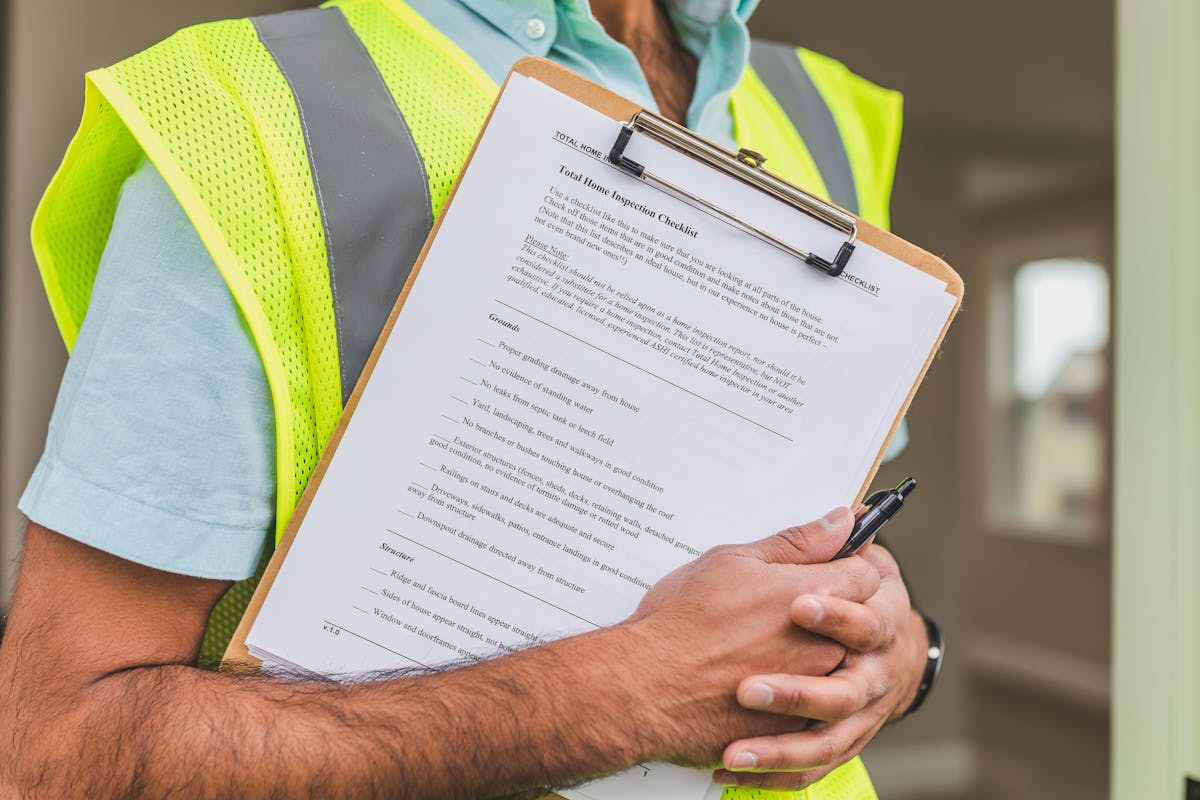
RICS qualified surveyor conducting Level 2 Homebuyer survey - professional property inspection
A RICS Level 2 survey—officially called a "RICS Home Survey Level 2"—is the most popular property survey choice for buyers purchasing conventional properties in reasonable condition.
It sits between a basic mortgage valuation (which isn't really a survey at all) and a comprehensive RICS Level 3 Building Survey. Think of it as the "Goldilocks" option—not too basic, not too detailed, but just right for most standard properties.
What Makes It Different?
The Homebuyer Report uses a distinctive traffic light rating system to categorize defects:
- Red (Condition Rating 3): Serious defects needing urgent attention
- Amber (Condition Rating 2): Defects needing attention but not urgent
- Green (Condition Rating 1): No repair currently needed
This system makes it incredibly easy to understand your survey report at a glance. You can immediately see which issues are urgent (red), which need planning for (amber), and what's in good condition (green).
Unlike a Level 3 Building Survey (which provides highly detailed technical analysis), the Level 2 focuses on practical advice in clear, accessible language. You don't need to be a construction expert to understand it.
💡 Real Example: Traffic Light System in Action
We recently surveyed a 1930s semi in Ealing. The traffic lights showed: Red for serious roof leaks requiring immediate repair (£3,500). Amber for aging electrics needing upgrading within 5 years (£4,000). Green for the solid structure and foundations. The buyers negotiated £8,000 off the asking price and knew exactly what they were taking on.
Understanding the Traffic Light Rating System
The traffic light system is what makes Homebuyer Reports so accessible. Here's what each rating means:
🔴 Condition Rating 3 (Red) - Defects Requiring Urgent Attention
Red ratings indicate serious problems that need immediate repair or replacement. These defects might:
- Pose a safety risk to occupants
- Cause serious or progressive deterioration if not fixed
- Affect your ability to get a mortgage or buildings insurance
Common red-rated issues we identify:
- Serious structural movement or subsidence
- Major roof defects causing active water ingress
- Severe damp problems
- Dangerous electrical installations
- Serious drainage failures
When we identify red issues, we always recommend getting quotes from qualified contractors before proceeding with the purchase. Use these to renegotiate the price or request repairs before completion.
🟠 Condition Rating 2 (Amber) - Defects Needing Attention
Amber ratings are defects that need repair or replacement but aren't immediately urgent. They require attention, but you have time to plan and budget.
Typical amber-rated issues:
- Aging roof coverings that will need replacing soon
- Old windows showing signs of deterioration
- Minor damp issues requiring investigation and treatment
- Aging boiler or heating system nearing end of life
- Guttering and downpipes needing repair or replacement
Amber issues won't stop you buying the property, but factor them into your budget. That £2,000 for new guttering needs planning for—ideally within the next 1-2 years.
🟢 Condition Rating 1 (Green) - No Repair Currently Needed
Green ratings mean the element is performing satisfactorily. No immediate repairs needed, though routine maintenance is always advisable.
A green rating doesn't mean "perfect"—it means "acceptable condition for its age and type, with no significant defects".
All properties need ongoing maintenance. Even green-rated elements will eventually need repair or replacement as they age. Your survey report includes maintenance advice to keep things in good condition.
What's Included in a RICS Level 2 Survey?
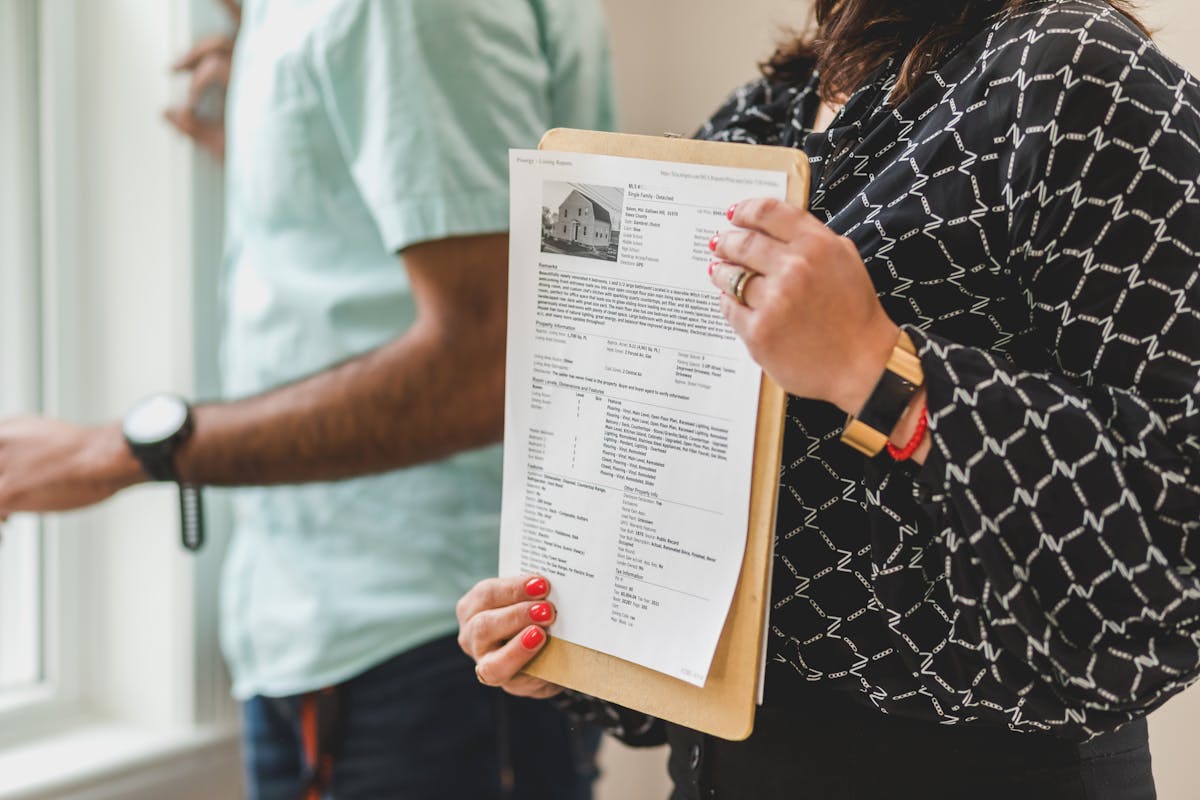
Comprehensive RICS Level 2 Homebuyer survey report - detailed property assessment and condition ratings
Your Homebuyer Report includes everything you need to make an informed decision about your purchase:
1. Visual Inspection of All Main Elements
Our RICS surveyors inspect all accessible parts of the property:
- Roof: External condition, coverings, chimneys, flashings (viewed from ground level and, where safely accessible, closer inspection)
- Walls: External brickwork, render, cladding; internal walls and finishes
- Floors: Construction type and condition (where visible)
- Windows and doors: Condition, operation, security
- Loft spaces: Roof structure, insulation, water tanks (where accessible)
- Basements/cellars: Condition, damp, ventilation (where accessible)
2. Assessment Using Traffic Light System
Each element receives a condition rating (1, 2, or 3) with clear explanation of any defects and recommended actions.
3. Identification of Urgent Defects
We clearly highlight anything requiring immediate attention. If we find serious issues (red ratings), these are flagged prominently so you can't miss them.
4. Advice on Repairs and Ongoing Maintenance
For every defect, we provide practical advice: what needs doing, approximate urgency, and typical cost ranges. Plus guidance on maintaining the property long-term.
5. Market Valuation
Unlike a Level 3 Building Survey, the Homebuyer Report includes a market valuation—our professional opinion of what the property is worth. This is useful for:
- Confirming you're paying a fair price
- Providing evidence for mortgage purposes
- Negotiating with the seller if the valuation is lower than your offer
6. Buildings Insurance Reinstatement Cost
We calculate the cost to completely rebuild the property if it were destroyed (by fire, for example). This figure is what your buildings insurance should cover—not the market value.
Many buyers under-insure their properties because they base coverage on purchase price. The reinstatement cost is usually higher, especially for period properties with specialist construction.
What's NOT Included
It's important to understand the Level 2 survey's limitations:
- No electrical testing: We visually inspect, but can't test wiring (get an electrician if concerned)
- No gas testing: We can't test boilers or gas appliances (use a Gas Safe engineer)
- No drainage testing: We inspect visible drainage, but can't CCTV survey drains (arrange separately if needed)
- No moving furniture: We inspect accessible areas only
- No lifting carpets: Floor conditions underneath remain unknown
- Less detailed than Level 3: We won't provide the highly technical analysis you'd get in a Building Survey
If our inspection raises concerns about electrics, gas, or drainage, we'll recommend specialist surveys before you complete.
💡 Pro Tip: Always Attend the Viewing Before Survey
View the property yourself before commissioning a survey. Check loft spaces, peer under sinks, test taps, flush toilets. If you spot concerning issues, mention them to your surveyor—we can pay particular attention to those areas. Your observations help us conduct a more thorough inspection.
Level 2 vs Level 3: Which Survey Do You Need?
Choosing the right survey level - professional guidance helps property buyers make informed decisions
This is the question we're asked most often. Here's our honest advice:
Choose a RICS Level 2 Homebuyer Report If:
- The property is conventional construction - Standard brick walls, tiled roof, concrete or timber floors
- It was built after 1900 - Most properties from the Edwardian era onwards
- It appears in reasonable condition - No obvious major defects visible during viewing
- It's a standard house, flat, or bungalow - Not unusual or highly individual
- You want clear, accessible advice - The traffic light system makes findings easy to understand
- You need a valuation - Homebuyer Reports include market valuation; Level 3 surveys don't
- Budget is a consideration - Level 2 surveys cost less than Level 3
Perfect for: 1930s semis, post-war properties, modern flats, standard terraced houses, conventional bungalows—anything that's standard construction in decent condition.
Choose a RICS Level 3 Building Survey If:
- The property is old - Pre-1900, especially Victorian or Georgian
- You've spotted defects - Visible cracks, damp, structural concerns
- It's unusual construction - Timber-framed, thatched, concrete construction, anything non-standard
- You're planning major works - Extensions, conversions, significant renovations
- It's listed or in a conservation area - These need specialist knowledge
- The property is large or expensive - Over £1 million typically warrants Level 3
- You want maximum detail - Technical analysis of construction and condition
Perfect for: Victorian terraces, Georgian townhouses, listed buildings, properties with visible problems, large country houses, anything requiring detailed technical analysis.
Still Not Sure?
Call us! We're happy to discuss your specific property and recommend the most appropriate survey type. Sometimes the right choice isn't immediately obvious—particularly for properties built around 1900 or those showing minor issues.
Our advice is always honest. If Level 2 is sufficient, we'll tell you. If your property genuinely needs Level 3, we'll explain why. We'd rather you get the right survey than simply sell you the more expensive option.
Quick Decision Guide: Level 2 or Level 3?
- Modern flat (post-1950), good condition: Level 2
- Standard semi or terrace (1900-1960s), decent condition: Level 2
- Victorian/Georgian property: Level 3
- Property with visible cracks or damp: Level 3
- Planning major renovations: Level 3
- Listed building: Level 3
- Standard house, no obvious issues, want it simple: Level 2
How Much Does a RICS Level 2 Survey Cost?
Homebuyer Report costs vary based on property value, size, and location. At Angel Surveyors, our Level 2 survey fees for London properties are:
- Properties up to £300,000: £400-£550
- Properties £300,000-£500,000: £500-£700
- Properties £500,000-£750,000: £650-£850
- Properties £750,000-£1 million: £800-£1,000
Additional factors affecting cost:
- Property size: Larger properties take longer to inspect
- Location: Central London may cost more (surveyor travel time)
- Access: If the property has limited access or requires special equipment
- Urgency: Express service (48-72 hour turnaround) may incur extra fees
Level 2 vs Level 3 Cost Comparison
Level 2 surveys typically cost 30-40% less than Level 3 Building Surveys. For example:
- £500,000 property: Level 2 = £650, Level 3 = £950
- £750,000 property: Level 2 = £800, Level 3 = £1,200
This cost difference reflects the inspection time (2-3 hours for Level 2 vs 3-5 hours for Level 3) and report complexity (15-25 pages vs 40-60 pages).
Is It Worth the Money?
Absolutely. Consider this: we regularly identify defects worth £5,000-£20,000+ in "perfectly good" properties. Common findings include:
- Roof repairs needed: £3,000-£8,000
- Damp treatment required: £1,500-£5,000
- Electrical upgrade necessary: £3,000-£6,000
- Subsidence requiring underpinning: £15,000-£40,000+
A £650 survey that identifies £12,000 of repairs gives you negotiating power. Reduce the purchase price by £12,000, and suddenly that survey paid for itself 18 times over.
Even when surveys find nothing major, they provide peace of mind. You're confirming you're buying a sound property—that's worth every penny.
How Long Does a Homebuyer Survey Take?
The inspection takes 2-3 hours on average, depending on property size and accessibility. A one-bedroom flat might take 2 hours; a four-bedroom semi could take 3+ hours.
You don't need to be present (most clients aren't), but you're welcome to attend if you'd like. Some buyers find it useful to see issues first-hand and ask questions.
Report Turnaround Time
Following the inspection, we prepare your report—typically delivered within 5-7 working days. Your report arrives as a PDF by email, making it easy to share with solicitors, mortgage brokers, or family members for advice.
Need it faster? We offer express service with 48-72 hour delivery for clients working to tight deadlines. This sometimes incurs a small additional fee, but many buyers find it worthwhile when they're racing against exchange dates.
What Happens After You Receive Your Homebuyer Report?
You've got your survey report—now what? Here's how to use it effectively:
1. Read the Entire Report Carefully
Don't just skim the summary. Read every section to understand the property's full condition. Pay particular attention to:
- Red-rated items: These need immediate attention
- Amber-rated items: Budget for these in the next 1-5 years
- Recommendations: Our advice on what to do next
- Estimated costs: Approximate repair costs for budgeting
2. Get Quotes for Major Repairs
If we've identified significant defects, get quotes from qualified tradespeople:
- Structural issues → Structural engineer
- Roof repairs → Roofing contractor (NFRC registered)
- Damp problems → Damp specialist (Property Care Association member)
- Electrical concerns → Qualified electrician (NICEIC or similar)
These quotes give you concrete figures for negotiation.
3. Decide Your Next Steps
Option A: Proceed as planned - If issues are minor and acceptable to you, continue with the purchase knowing what you're buying.
Option B: Renegotiate the price - Use repair costs to negotiate a lower purchase price. Example: Survey identifies £8,000 of necessary repairs. Negotiate £10,000 off (covering repairs plus contingency).
Option C: Request repairs before completion - Ask the seller to fix serious issues before you complete. Get written agreement specifying exactly what will be done.
Option D: Walk away - If defects are too serious or expensive, withdraw from the purchase. You'll lose survey and legal fees, but avoid buying a problem property.
4. Call Us With Questions
Our surveyors are always available to discuss your report. If anything is unclear, call us. We'd rather spend time explaining than have you proceed with uncertainty.
Common questions we answer:
- "How urgent is this repair really?"
- "Can I live with this issue for a few years?"
- "Should I walk away or try to negotiate?"
- "Do I need a specialist survey for this?"
We provide honest, practical advice based on years of experience.