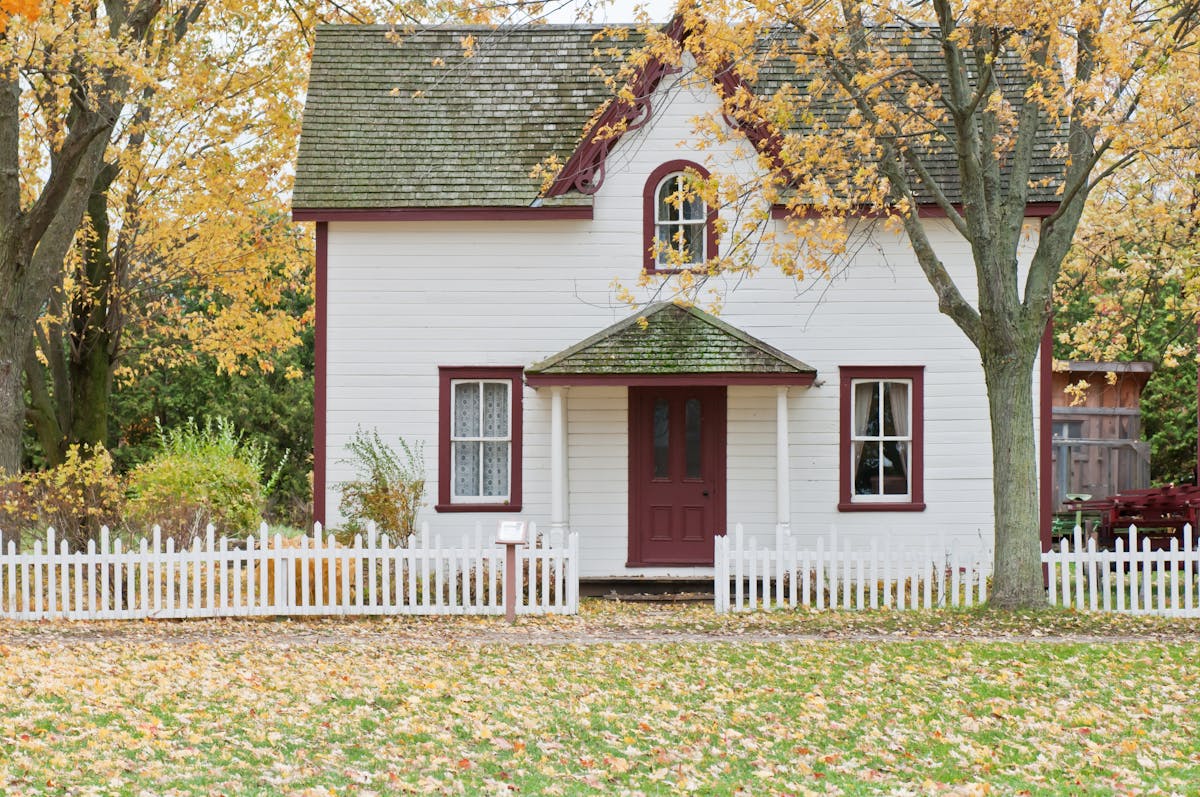
Last Tuesday, we surveyed a stunning Victorian terrace in Hackney. The estate agent's description was glowing: "Original features throughout, period charm, beautifully maintained." The buyers were smitten.
Our RICS Level 3 Building Survey told a different story: subsidence in the rear extension (£28,000 to underpin), serious damp caused by cement pointing trapping moisture in solid walls (£6,500 to remediate), and a roof needing complete replacement within 18 months (£18,000). Total: over £50,000 of essential repairs.
The buyers negotiated £55,000 off the purchase price. They still bought the house—they loved it—but now they knew exactly what they were taking on.
This is why Victorian properties need specialist surveying attention. These beautiful period homes, built between 1837-1901, are fundamentally different from modern construction. This guide from our surveyors explains everything you need to know about surveying Victorian properties in London.
Why Victorian Properties Need Special Surveying Attention
Victorian homes dominate large parts of London—terraced houses stretch across Islington, Hackney, Clapham, Wandsworth, and countless other areas. They're characterful, spacious, and popular. But they're also over 120 years old, built using methods that differ significantly from modern construction.
Age-Related Issues
A 130-year-old building has had plenty of time to develop problems:
- Structural movement - Over a century of settlement, seasonal movement, and alterations
- Material deterioration - Original materials aging beyond their design life
- Inappropriate repairs - Decades of DIY fixes and non-specialist work
- Historic alterations - Extensions, loft conversions, wall removals done without proper engineering
- Deferred maintenance - Years or decades of neglected upkeep
Different Construction Methods
Victorian properties were built completely differently from modern homes:
- Solid walls - No cavity, just solid brick (causing damp issues)
- Lime mortar - Soft, breathable mortar (often replaced with hard cement, causing problems)
- Timber floors - Suspended timber throughout (prone to rot and beetle infestation)
- Slate roofs - Beautiful but aging (nails rust, slates slip)
- Sash windows - Original single-glazed timber (draughty, often rotten)
- No damp proof course - Many Victorian properties were built without DPCs
Understanding these construction methods is crucial for proper assessment. Generic surveyors might misdiagnose issues; period property specialists recognize what's normal aging versus serious defects.
London's Clay Soil
Much of London sits on London Clay—a shrinkable clay soil that expands when wet, contracts when dry. Victorian properties with shallow foundations (common for the era) are particularly vulnerable to:
- Subsidence - Foundation movement as clay shrinks beneath
- Heave - Upward movement when clay expands
- Tree-related movement - Large trees drawing moisture from soil
- Seasonal cracking - Movement patterns changing with weather
Our surveyors understand London's soil conditions intimately. We know which areas are high-risk for subsidence, which tree species cause problems, and how to assess whether movement is ongoing or historic and stable.
💡 Victorian vs Edwardian: What's the Difference?
Victorian properties were built 1837-1901 under Queen Victoria's reign. Edwardian properties (1901-1910) came next. Edwardians are generally in better condition—built with some cavity walls, better foundations, and improved building standards. If your "Victorian" house was actually built 1905-1910, you might have fewer issues than true Victorian stock.
Common Issues We Find in Victorian Property Surveys
From surveying hundreds of Victorian properties across London, these are the problems we encounter most frequently:
1. Subsidence and Structural Movement
Subsidence is the single biggest concern in Victorian properties. London's clay soil combined with shallow Victorian foundations creates perfect conditions for movement.
Signs we look for:
- Diagonal cracks wider than 5mm, especially near doors and windows
- Stepped cracking through brickwork
- Doors and windows binding or sticking
- Gaps between walls and ceilings/floors
- Cracks that widen at the top (classic subsidence pattern)
- Movement concentrated in one area (often rear extensions)
Common causes:
- Trees - Large trees (especially willows, oaks, poplars) drawing moisture from clay
- Leaking drains - Washing away soil beneath foundations
- Inadequate foundations - Victorian foundations are often just 300-600mm deep
- Recent excavations - Basement conversions in neighboring properties
Typical costs: Minor crack repairs: £500-£2,000. Monitoring cracks: £300-£800 (plus surveyor fees for repeat inspections). Underpinning for serious subsidence: £15,000-£50,000 depending on extent.
Not all cracks mean subsidence. Many are superficial plaster cracks or historic movement that's now stable. Our surveyors distinguish between concerning movement and normal aging—that expertise is why you hire RICS professionals.
2. Damp Problems
Damp is ubiquitous in Victorian properties. Solid walls without cavity mean moisture can penetrate directly through. We see three main types:
Rising Damp
Many Victorian properties were built without damp proof courses (DPCs). Even those with original slate DPCs often have failed or bridged barriers. Rising damp appears as:
- Tide marks on walls (typically up to 1 meter high)
- Flaking plaster and paint
- Salt deposits on walls (white crystalline patches)
- Musty smell
- Decaying skirting boards
Typical costs: Chemical DPC injection: £1,500-£4,000 depending on wall length. Re-plastering affected areas: £1,000-£3,000.
Penetrating Damp
Water coming through walls, often due to:
- Failed pointing - Mortar between bricks deteriorated
- Cement pointing on solid walls - Traps moisture, preventing walls from breathing
- Defective guttering - Overflowing water soaking walls
- Cracked render - Allowing water ingress
- Missing roof flashings - Water penetrating at junctions
Typical costs: Re-pointing in lime mortar: £50-£80 per square meter. Gutter replacement: £400-£1,200. Render repairs: £1,500-£5,000 depending on extent.
Condensation
Common in modernized Victorian properties with new windows but inadequate ventilation. Causes mould growth, especially in corners and on north-facing walls.
Typical costs: Improved ventilation: £200-£1,000. Treating mould: £200-£500.
3. Roof Issues
Victorian slate roofs are beautiful but often over 100 years old. Common problems include:
- Slipped or missing slates - Nails rust, slates slide down
- Nail sickness - Iron nails corrode after 80-120 years
- Aging sarking felt - Traditional felt deteriorates
- Lead valley deterioration - Lead wears through or cracks
- Chimney issues - Pointing failure, unstable pots, cracked stacks
- Defective flashings - Around chimneys and at junctions
Typical costs: Minor slate repairs: £500-£1,500. Re-roofing with reclaimed slates: £12,000-£25,000+ for a typical Victorian terrace. Lead valley replacement: £1,500-£4,000.
4. Timber Decay and Beetle Infestation
Victorian properties have extensive timber throughout—floor joists, roof timbers, window frames, door frames. Over 120+ years, timber issues develop:
Wet Rot
Where timber stays damp (under leaking sinks, where gutters overflow, in poorly ventilated spaces). Timber becomes soft, spongy, and dark.
Dry Rot
The most serious timber problem—a fungus that spreads through masonry and can destroy structural timbers. Has distinctive mushroom smell and orange/brown spore deposits.
Woodworm (Beetle Infestation)
Characterised by small flight holes in timber. Active infestation needs treatment; old woodworm (common in Victorian properties) may not require action if no longer active.
Typical costs: Woodworm treatment: £500-£2,000. Wet rot repairs: £1,000-£5,000. Dry rot treatment including affected joists: £3,000-£15,000+.
5. Inappropriate Modern Alterations
Decades of modifications often create problems:
- Walls removed without structural support - Creating unsafe spans
- Cement pointing on solid walls - Trapping moisture, causing damp
- Concrete floors over solid ground - Without DPM, causing rising damp
- Modern materials on old structures - Creating incompatibility issues
- Loft conversions without building regulations - Inadequate fire protection or structure
We assess whether alterations were done properly. If structural walls were removed, were adequate beams installed? If the loft was converted, does it meet building regulations? These questions protect your investment.
Key Issues in Victorian Properties
- Subsidence and structural movement (especially on London clay)
- Damp (rising, penetrating, condensation) due to solid walls
- Aging roofs (slates, lead valleys, chimneys)
- Timber decay (wet rot, dry rot, woodworm)
- Inappropriate modern repairs (cement pointing, structural alterations)
- Original features needing restoration (sash windows, fireplaces)
- Outdated services (electrics, plumbing, heating)
Understanding Victorian Construction Methods
To properly survey Victorian properties, you need to understand how they were built. Here's what makes them unique:
Solid Brick Walls
Victorian external walls are solid brick—typically 9 inches (one brick length) thick for terraced houses. No cavity, no insulation, no damp proof membrane.
This creates challenges:
- Cold and expensive to heat (solid walls lose heat rapidly)
- Vulnerable to penetrating damp (water can soak through)
- Need to "breathe" (lime mortar allows moisture to evaporate)
When Victorian walls are pointed with cement (common DIY repair), moisture gets trapped inside the wall, causing damp and masonry deterioration. Proper restoration uses lime mortar, which is softer and breathable.
Timber Floors Throughout
Victorian properties have suspended timber floors—timber joists spanning between walls, with floorboards nailed on top. Ground floors have void spaces underneath (ventilated by airbricks).
We inspect these carefully for:
- Rot in joists (especially ends built into walls)
- Beetle infestation
- Inadequate ventilation (blocked airbricks)
- Springy or bouncy floors (indicating weakened joists)
Slate Roofs with Timber Structure
Victorian roofs use natural slate hung on timber battens, supported by a timber frame of rafters, purlins, and joists. Beautiful, durable—but aging.
Original Victorian roofs often lack sarking (roof felt). Water that gets past slates drips into the loft—which is why loft spaces are often damp and why roof leaks appear quickly when slates slip.
Lime Mortar, Not Cement
Victorians used lime mortar—a mixture of lime, sand, and water. It's softer than modern cement and allows buildings to "breathe" (moisture can evaporate through walls).
This is crucial for solid-wall buildings. When cement is used (because it's cheaper and easier), moisture gets trapped, causing damp and frost damage to bricks. Proper Victorian property maintenance uses lime mortar for pointing—more expensive, but essential for building health.
Original Single-Glazed Sash Windows
Most Victorian properties originally had timber sash windows—beautiful, elegant, and terrible for energy efficiency. Many have been replaced with UPVC (often unsympathetically), while others remain original but rotten.
In conservation areas or listed buildings, replacement may require planning consent. Proper restoration of original sashes is often the best approach—maintaining character while improving performance with draught-proofing and secondary glazing.
Which Survey Type for Victorian Properties?
For Victorian properties, we almost always recommend a RICS Level 3 Building Survey rather than a Level 2 Homebuyer Report. Here's why:
Why Level 3 for Victorian Homes?
Age and complexity - Victorian properties are over 120 years old with construction methods differing from modern buildings. They need detailed technical analysis, not basic traffic light ratings.
Higher likelihood of defects - Century-old buildings have accumulated issues. Level 3 surveys provide the detailed investigation these properties deserve.
Specialist knowledge required - Understanding lime mortar, solid walls, slate roofs, and timber decay needs experienced surveyors familiar with period properties.
Planning alterations - Many buyers want to extend or renovate Victorian properties. Level 3 surveys provide the structural understanding needed for planning works.
Listed buildings or conservation areas - Many Victorian properties have heritage protection. Level 3 surveys address the specialist considerations this entails.
What About Level 2 for Victorian Properties?
Level 2 surveys can work for Victorian properties in specific circumstances:
- Later Victorian/Edwardian (built 1890-1910) in good condition
- Recently renovated to high standards with good maintenance history
- Standard terraced house with no unusual features or visible defects
- Budget constraints make Level 3 unaffordable
However, even in these cases, Level 3 provides significantly more value. The modest extra cost (typically £300-£500 more) buys comprehensive peace of mind about your Victorian property investment.
What to Expect During Your Victorian Property Survey
Here's what happens when we survey a Victorian property:
Pre-Survey Research
Before even visiting, we research the property:
- Property age and original layout
- Local soil conditions (clay, sand, etc.)
- Flood risk and drainage patterns
- Known issues in the area (mining, subsidence hotspots)
- Conservation area or listing status
On-Site Inspection (3-5 Hours)
Victorian property surveys take longer than modern homes—typically 3-5 hours depending on size. We inspect:
Externally:
- Foundations (checking for movement, settlement)
- Walls (brickwork condition, pointing, damp, cracks)
- Roof (slates, ridges, flashings, chimneys)
- Guttering and downpipes
- Windows and doors (sashes, frames, glazing)
- Boundaries and outbuildings
Internally:
- Floors (using moisture meters, checking for bounce)
- Walls (damp testing, checking for structural alterations)
- Ceilings (looking for roof leaks, movement)
- Services (visual inspection of electrics, plumbing, heating)
- Original features (fireplaces, cornicing, timber)
Roof Space:
- Timber condition (rot, beetle, structural adequacy)
- Roof covering underside (slates, felt, leaks)
- Water tanks and pipework
- Insulation levels
Specialist Equipment
For Victorian properties, we use:
- Moisture meters - Measuring damp levels in walls
- Binoculars - Inspecting high-level elements safely
- Ladders - Accessing roof spaces and checking closer details
- Crack width gauges - Measuring crack widths precisely
- Drones - For difficult-to-access roofs (where appropriate)
- Thermal imaging - Identifying hidden damp or insulation issues
Detailed Report (40-60+ Pages)
Your Victorian property survey report includes:
- Executive summary of major findings
- Detailed section-by-section analysis
- Photographs of defects and issues
- Technical explanations of construction
- Repair recommendations with cost estimates
- Maintenance advice specific to Victorian properties
- Guidance on specialist reports if needed
Survey Costs for Victorian Properties in London
Victorian property surveys typically cost more than surveys of modern homes due to age, complexity, and inspection time required.
RICS Level 3 Building Survey Costs:
- Victorian terrace up to £500,000: £800-£1,100
- Victorian terrace £500,000-£1 million: £1,000-£1,400
- Larger Victorian houses £1-£2 million: £1,300-£2,000
- Substantial Victorian properties over £2 million: £1,800-£3,000+
Factors affecting cost:
- Property size and number of floors
- Complexity (extensions, conversions, unusual features)
- Access difficulties
- Listed building status (requires additional considerations)
- Location (central London may cost more)
Additional Specialist Surveys
Sometimes our survey identifies issues needing specialist investigation:
- Structural engineer assessment: £500-£1,500 (for subsidence or major cracks)
- Electrical testing: £150-£350 (for aging electrics)
- Drainage CCTV survey: £200-£500 (for suspected drain issues)
- Timber specialist report: £300-£800 (for extensive rot or beetle)
- Damp specialist survey: £250-£600 (for serious damp problems)
While these add to your survey costs, they're essential for understanding serious defects before you commit hundreds of thousands to the purchase.